It’s 5 PM. You’re tired, hungry, and staring into the fridge hoping dinner will magically appear. That daily scramble doesn’t just drain your energy—it often leads to expensive takeout, wasted groceries, and unhealthy last-minute choices. The good news? It doesn’t have to be this way. With a simple system for weekly meal planning, you can put balanced nutrition on autopilot and eliminate decision fatigue for good. This guide breaks down a clear, step-by-step approach to help you plan smarter, shop efficiently, and enjoy stress-free, nourishing meals all week long—starting today.
Achieving your goals does not require willpower superpowers; it starts with a plan. With weekly meal planning, you deliberately map out balanced breakfasts, lunches, and dinners, ensuring every plate includes protein, fiber, healthy fats, and colorful produce. That means fewer drive‑thru detours and more energy for the things you actually care about (yes, even that late‑night Netflix binge).
Financially, the benefits are just as powerful. A focused grocery list keeps impulse buys in check and reduces food waste, which the USDA estimates costs the average household hundreds per year. When you shop with intention, every dollar works harder.
Most importantly, you reclaim mental space. No more 5 p.m. panic about what’s for dinner. Instead, healthy choices become the default, not a debate. That consistency builds momentum, turning small daily wins into lasting habits and visible results. Pro tip: batch‑prep staples like grains or roasted veggies to stretch your time further.
The Blueprint for a Perfectly Balanced Plate
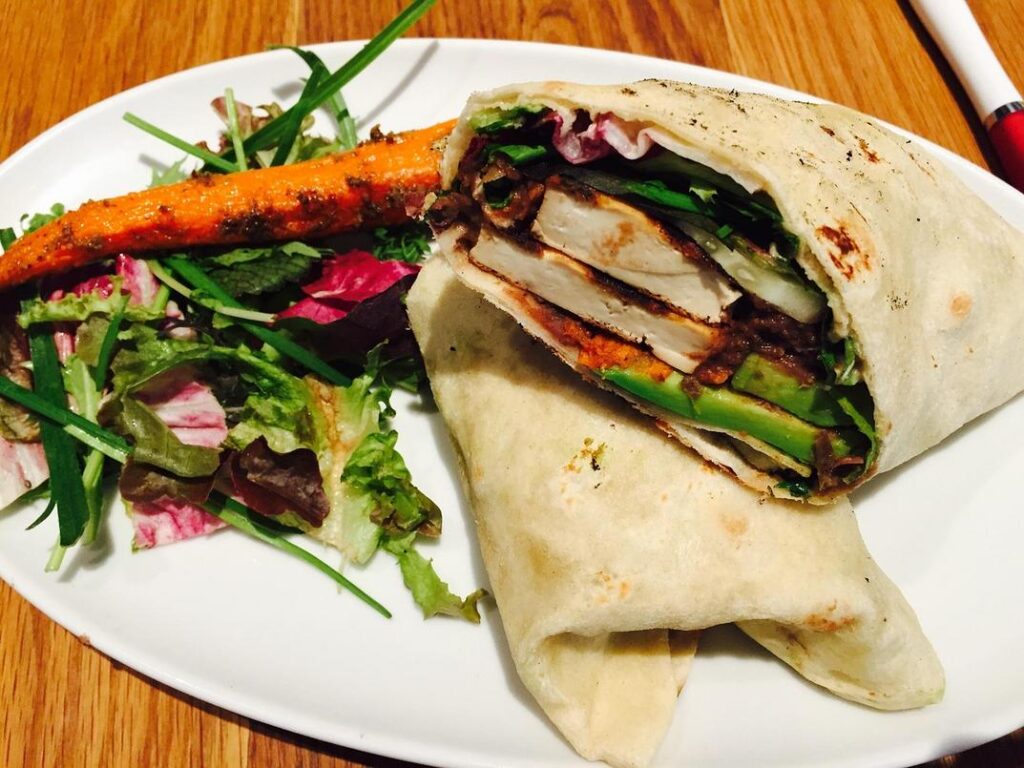
If your dinner plate currently looks like a beige festival (no judgment—carbs are charismatic), it might be time for a tiny upgrade. Enter the Plate Method, a simple visual formula for portion control and nutrient balance. Fill half your plate with non-starchy vegetables, one quarter with lean protein, and the final quarter with complex carbohydrates. Think of it as interior design… but for your fork.
Start with the Foundation
Lean proteins are the building blocks of your body—literally. Protein helps repair tissues, maintain muscle, and keep you feeling full longer (so you’re not raiding the fridge at 9 p.m.). Stock up on chicken breast, fish, eggs, lentils, chickpeas, and tofu. They’re versatile, affordable, and drama-free.
Next, choose complex carbohydrates like quinoa, brown rice, sweet potatoes, and whole-wheat pasta. Unlike simple carbs, which spike blood sugar quickly, complex carbs digest more slowly, providing sustained energy (no mid-afternoon crash-and-burn).
Don’t forget healthy fats. Avocado, nuts, seeds, and olive oil support brain health and help absorb fat-soluble vitamins like A, D, E, and K. A drizzle goes a long way.
And yes—eat the rainbow. Different colors in fruits and vegetables signal different antioxidants and nutrients. A vibrant plate isn’t just pretty; it’s powerful.
- Half plate: non-starchy vegetables
- Quarter plate: lean protein
- Quarter plate: complex carbs
Pro tip: Combine this method with weekly meal planning to avoid last-minute takeout temptations. Your plate—and your future self—will thank you.
Your 5-Step System for Flawless Weekly Meal Planning
Last year, I remember staring into my fridge at 6:45 p.m., exhausted, hungry, and somehow offended by a half-bag of spinach. That was the night I realized I needed a system—not willpower, not takeout menus—a real plan.
Here’s the five-step framework that changed everything.
Step 1: The Weekly Audit
Before planning, check your calendar. Late meetings? Kid activities? Dinner out? If Wednesday is chaos, plan leftovers or a 20-minute meal. (Future-you will be grateful.)
Step 2: Inventory Your Kitchen
Shop your pantry first. That forgotten rice and canned tomatoes? Dinner waiting to happen. The USDA estimates up to 30–40% of the food supply is wasted annually, much at the household level (USDA). Start with what you have.
Step 3: Theme Your Nights
Themes reduce decision fatigue—a term psychologists use to describe the mental drain from too many choices. Taco Tuesday isn’t cliché; it’s efficient.
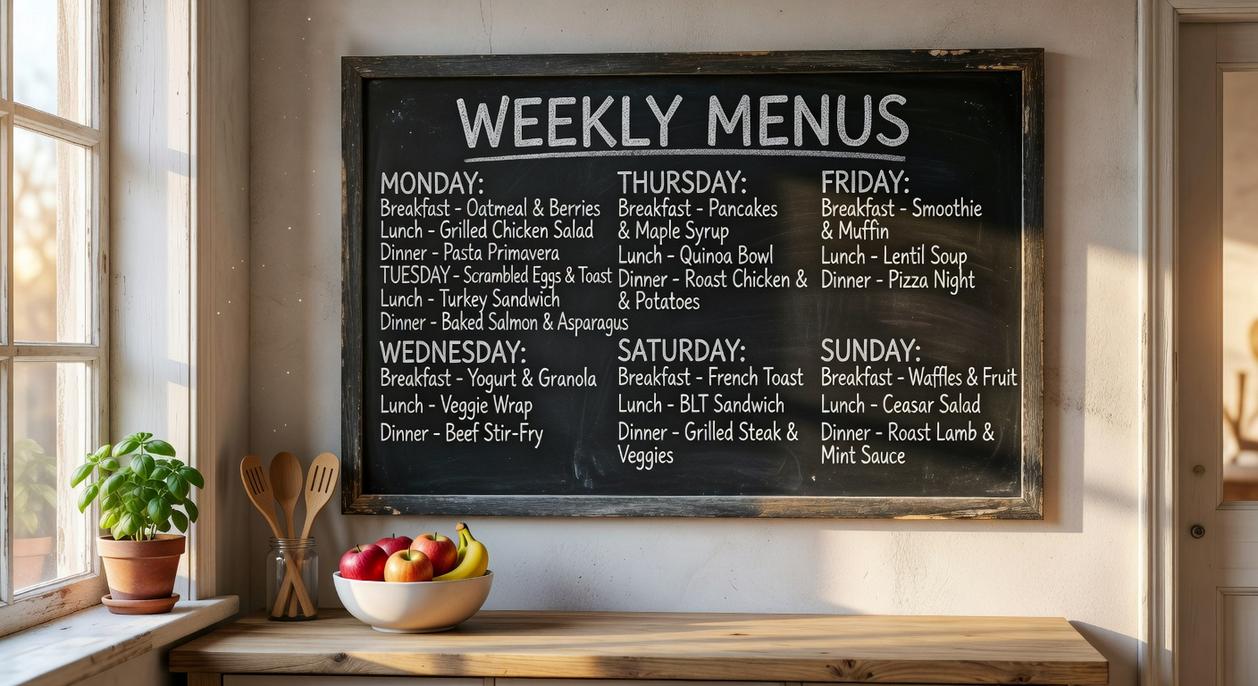
Step 4: Select Recipes & Build Your Menu
When I began weekly meal planning, I only scheduled dinners. That small win built momentum. Start simple.
| Day | Theme | Meal |
|—–|——-|——|
| Mon | Meatless | Veggie Stir-Fry |
| Tue | Tacos | Chicken Tacos |
| Wed | Quick | Pasta Primavera |
Step 5: Create a Categorized Grocery List
Organize by store sections to avoid backtracking (and impulse cookies).
Think of it like a kitchen version of digital organization—similar to a digital declutter organizing your files and devices. Same principle: less chaos, more clarity.
Pro tip: Keep a running grocery list in your phone throughout the week. It saves time—and your sanity.
Sticking to a meal plan sounds simple, but in real life it’s more like a group project where someone forgets the groceries. First, cook once, eat twice. I’m a big believer in doubling recipes because tomorrow-you will be grateful when lunch is already handled. Likewise, batch prepping on Sunday changes everything. Wash and chop vegetables, cook grains, marinate proteins—suddenly weeknights feel manageable instead of chaotic.
That said, don’t treat your plan like a rigid contract. Instead, build in a leftover night or a fend-for-yourself evening. Flexibility keeps you consistent. In my experience, weekly meal planning only works when there’s breathing room.
Meanwhile, keep a running pantry staples list. Pasta, marinara, canned beans, eggs—these are your safety net. When plans fall apart (and they will), you can still throw together something decent in minutes.
Pro tip: freeze portions flat in zip bags to save space and speed up defrosting. Trust me.
Take Control of Your Kitchen and Your Health
You came here looking for a way to bring order to the daily chaos of mealtime—and now you have a clear, practical framework to make it happen. With weekly meal planning, you’re no longer reacting to hunger, takeout temptations, or last‑minute stress. You’re making intentional choices that support your health, your schedule, and your budget.
The real pain was never just “what’s for dinner?” It was the constant pressure, wasted money, and guilt that followed. By investing a small pocket of time each week, you take back control every single day.
Start small. Plan your next three dinners today. If you’re ready to eliminate kitchen stress for good and build a system that actually sticks, explore our proven home organization strategies and put them into action now.
 Founder & CEO
Thalira Norvessa is the kind of writer who genuinely cannot publish something without checking it twice. Maybe three times. They came to daily digest through years of hands-on work rather than theory, which means the things they writes about — Daily Digest, Wuta DIY Renovation Techniques, Lifestyle Organization Strategies, among other areas — are things they has actually tested, questioned, and revised opinions on more than once.
That shows in the work. Thalira's pieces tend to go a level deeper than most. Not in a way that becomes unreadable, but in a way that makes you realize you'd been missing something important. They has a habit of finding the detail that everybody else glosses over and making it the center of the story — which sounds simple, but takes a rare combination of curiosity and patience to pull off consistently. The writing never feels rushed. It feels like someone who sat with the subject long enough to actually understand it.
Outside of specific topics, what Thalira cares about most is whether the reader walks away with something useful. Not impressed. Not entertained. Useful. That's a harder bar to clear than it sounds, and they clears it more often than not — which is why readers tend to remember Thalira's articles long after they've forgotten the headline.
Founder & CEO
Thalira Norvessa is the kind of writer who genuinely cannot publish something without checking it twice. Maybe three times. They came to daily digest through years of hands-on work rather than theory, which means the things they writes about — Daily Digest, Wuta DIY Renovation Techniques, Lifestyle Organization Strategies, among other areas — are things they has actually tested, questioned, and revised opinions on more than once.
That shows in the work. Thalira's pieces tend to go a level deeper than most. Not in a way that becomes unreadable, but in a way that makes you realize you'd been missing something important. They has a habit of finding the detail that everybody else glosses over and making it the center of the story — which sounds simple, but takes a rare combination of curiosity and patience to pull off consistently. The writing never feels rushed. It feels like someone who sat with the subject long enough to actually understand it.
Outside of specific topics, what Thalira cares about most is whether the reader walks away with something useful. Not impressed. Not entertained. Useful. That's a harder bar to clear than it sounds, and they clears it more often than not — which is why readers tend to remember Thalira's articles long after they've forgotten the headline.