
Ever felt like your home is stuck in the Stone Age while everyone else is living in the future? Yeah, I get it. The terms Zigbee, Matter, and hubs sound like gibberish, right?
It’s easy to feel overwhelmed. But don’t worry, I’m here to untangle the mess. I’ve spent countless hours (and shed a few tears) setting up and troubleshooting these gadgets just to make life a bit easier.
This guide cuts through the jargon to give you a clear look at home automation basics. By the end, you’ll know what makes a smart home tick and how to build your own without breaking the bank. Forget the hype and confusion.
We’re diving into the essentials to make your life simpler. Ready to get started? Let’s demystify this together.
Smart Home Essentials: The Three Basic Parts
A smart home isn’t rocket science. It’s just a place where gadgets chat with each other to make life easier. Think of it like the human body.
You’ve got the brain, the senses, and the muscles. Simple, right?
First up, the brain. This is your command center (your) Google Nest Hub, Amazon Echo, or Apple HomePod. These devices take your orders and relay them to other gadgets.
It’s like having a butler who doesn’t need a coffee break, ever. But, you might wonder, do you really need one? Yes, if you want a smooth experience where everything works together.
Next, the senses. These are the eyes and ears of your home. Motion sensors, door/window sensors, and temperature sensors fall into this category.
They trigger actions based on what’s happening around them. Ever had a light turn on when you walked into a room? That’s the sensors doing their thing.
Pretty neat, huh?
Lastly, the muscles. These are the devices that do the heavy lifting (smart) bulbs, plugs, locks, and thermostats. You don’t need everything at once, though.
Start with what makes the most sense for you. Want to know how all this tech plays with your network? You might find this guide useful to learn more about how to secure home network setups.
So, there you have it. The basics of home automation in a nutshell. It’s about making life smoother, not more complicated.
And isn’t that what we all want?
Smart Devices: The Language of Connectivity
Diving into the world of smart homes, you quickly hit a wall. The different “languages” or protocols these gadgets use. It’s like a high-tech Babel.
Let’s break it down.
Wi-Fi is the most common. Everyone’s got it. But imagine a room where everyone is shouting.
That’s your Wi-Fi when overloaded. Too many devices slow down your internet, messing with your streaming or work. It’s great for general use, but not always the best for home automation basics.
Then there’s Zigbee and Z-Wave. Think of these as private radio channels just for your smart devices. They talk to each other without hogging your Wi-Fi.
They create a mesh network. This means devices can relay signals, making your network stronger. It’s like having a secret club (exclusive) and fast.
Bluetooth is the odd one out. It’s perfect for those quick, short-range connections. Like when your smart lock talks to your phone as you approach the door.
It’s not for heavy-duty tasks, but it fits the bill for instant, one-to-one communication.
And finally, Matter. The new kid on the block. It’s the “universal translator” of smart tech, aiming to make devices from Apple, Google, and Amazon play nice together.
Imagine buying new gear without the stress of compatibility issues. That’s the dream, right?
For those diving into smart home setups, it’s also key to consider the basics of home automation electrical considerations. You don’t want your new gadgets blowing a fuse.
In the end, understanding these protocols isn’t just tech talk. It’s about making your life smoother. Do you really want to deal with a tech headache every time you add a new device?
Nope, me neither.
Your First Smart Home Project: Easy Starts for Everyone
Ready to dip your toes into home automation basics but not sure where to begin? Let’s cut through the noise and tackle three simple projects that solve everyday annoyances. You don’t need to be a tech wizard to start.

Trust me, if I can do it, so can you.
Smart Lighting: No More Fumbling
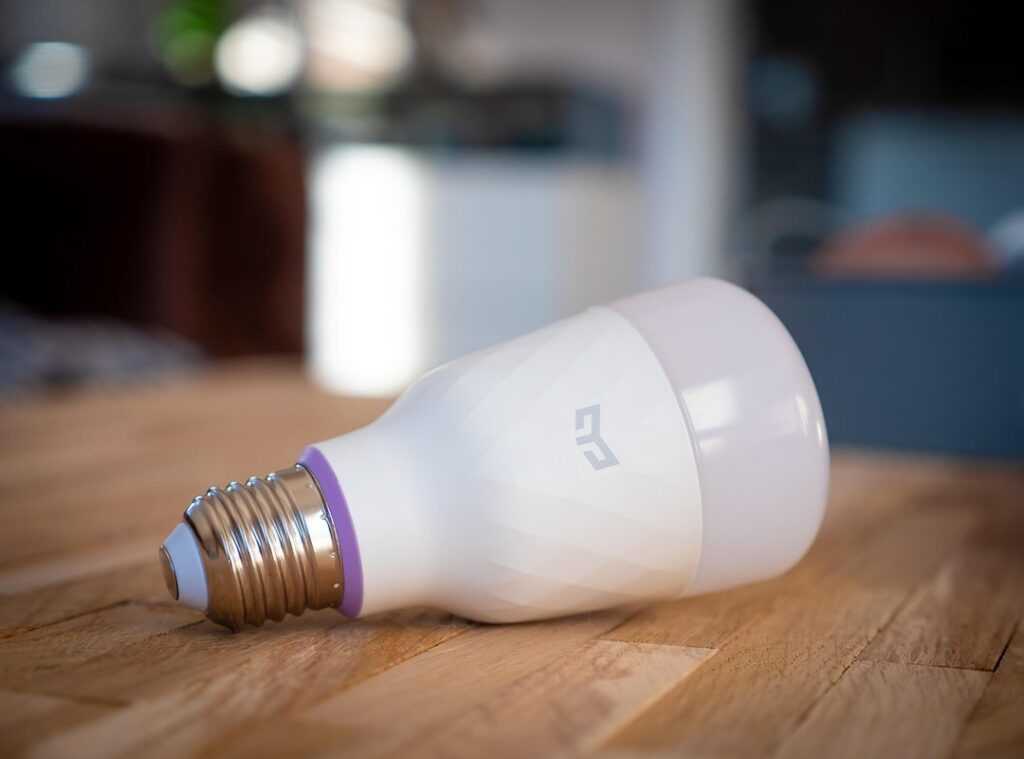
Ever stubbed your toe in the dark? Smart lighting is your hero. Swap out your regular bulbs for smart ones (yes, it’s that easy) or install a smart switch.
The beauty is in the control. Use your voice or set schedules, so lights turn on before you even enter the room. It’s not just about convenience.
Smart bulbs are compatible with most fixtures. You don’t have to overhaul your house. Just screw them in like regular bulbs.
It’s about not needing to fumble around when you’re half asleep.
And voilà, you’re in the future.
Smart Plugs: Make Dumb Appliances Smart
Why let your coffee maker sit idle until you drag yourself out of bed? Smart plugs transform any appliance. Plug one into the wall, connect an appliance, and you can control it from your phone.
Imagine turning on a fan while still cocooned in bed or managing holiday lights without stepping outside. They’re cheap and versatile. Even a tech skeptic can’t argue with that.
Smart Speaker/Display: Your New Home Brain
If you’re really stepping into the smart home world, start with a smart speaker or display. It’s the brain of your operation. They aren’t just speakers.
They’re timers, music players, and central hubs. Google, Amazon, Apple. They all have their strengths.
Google’s great for search, Amazon plays well with shopping, and Apple (well, it’s Apple).
To make the most of your devices, check out the best apps managing smart devices. These apps will simplify your experience and keep everything running smoothly.
Pro tip: Choose one space and stick with it. Mixing and matching might sound fun, but it’s a headache in disguise. Start small and build from there.
You’ll wonder how you ever lived without this stuff.
Common Mistakes to Avoid: Nail It the First Time
Starting with home automation basics can feel like a maze. One mistake I see a lot is buying incompatible gear. You’d think it’s common sense, but how many times have you just grabbed something shiny without checking?
Look for that “Works with Google Home” logo or the new “Matter” logo. It’ll save you a headache later.
Then there’s the Wi-Fi overload. You know, when your internet starts acting like it’s on a coffee break. Begin small with Wi-Fi devices.
If you want to go big, consider a hub with Zigbee or Z-Wave. It keeps things humming along smoothly. Trust me, nothing’s worse than buffering during a binge-watch session.
But the biggest no-no? Ignoring security. I cannot stress enough: Change the default password on your new smart device or router.
This is the step everyone skips, and then cries about later. It’s like leaving your front door open. Why make it easy for intruders?
So, do yourself a favor and lock things down from the start.
Take the First Step Toward a Smarter Home
Feeling overwhelmed by smart home tech? I get it. But now you’re armed with the essentials of home automation basics.
You understand the brain, the senses, and the muscles of your future smart home. It’s not as daunting as it seems. Trust me, starting with one small project can make a big difference.
So, why wait? Pick a smart plug, light, or speaker. Do it this week.
Once you see how easy it is, you’ll wonder why you didn’t start sooner. Ready to simplify your life? Start building your smarter home today.
You’ll thank yourself later.
 DIY & Smart Living Specialist
Alico Erbyons has opinions about smart living hacks. Informed ones, backed by real experience — but opinions nonetheless, and they doesn't try to disguise them as neutral observation. They thinks a lot of what gets written about Smart Living Hacks, Knowledge Corner, Lifestyle Organization Strategies is either too cautious to be useful or too confident to be credible, and they's work tends to sit deliberately in the space between those two failure modes.
Reading Alico's pieces, you get the sense of someone who has thought about this stuff seriously and arrived at actual conclusions — not just collected a range of perspectives and declined to pick one. That can be uncomfortable when they lands on something you disagree with. It's also why the writing is worth engaging with. Alico isn't interested in telling people what they want to hear. They is interested in telling them what they actually thinks, with enough reasoning behind it that you can push back if you want to. That kind of intellectual honesty is rarer than it should be.
What Alico is best at is the moment when a familiar topic reveals something unexpected — when the conventional wisdom turns out to be slightly off, or when a small shift in framing changes everything. They finds those moments consistently, which is why they's work tends to generate real discussion rather than just passive agreement.
DIY & Smart Living Specialist
Alico Erbyons has opinions about smart living hacks. Informed ones, backed by real experience — but opinions nonetheless, and they doesn't try to disguise them as neutral observation. They thinks a lot of what gets written about Smart Living Hacks, Knowledge Corner, Lifestyle Organization Strategies is either too cautious to be useful or too confident to be credible, and they's work tends to sit deliberately in the space between those two failure modes.
Reading Alico's pieces, you get the sense of someone who has thought about this stuff seriously and arrived at actual conclusions — not just collected a range of perspectives and declined to pick one. That can be uncomfortable when they lands on something you disagree with. It's also why the writing is worth engaging with. Alico isn't interested in telling people what they want to hear. They is interested in telling them what they actually thinks, with enough reasoning behind it that you can push back if you want to. That kind of intellectual honesty is rarer than it should be.
What Alico is best at is the moment when a familiar topic reveals something unexpected — when the conventional wisdom turns out to be slightly off, or when a small shift in framing changes everything. They finds those moments consistently, which is why they's work tends to generate real discussion rather than just passive agreement.