
If you’ve been searching for practical, stylish, and realistic closet organization ideas, you’re likely looking for more than just pretty pictures. You want solutions that actually work for your space, your routine, and your budget. This article is designed to give you exactly that—clear, actionable strategies to transform cluttered closets into functional, stress-free storage areas.
We’ll walk through smart layout adjustments, simple DIY upgrades, space-saving tools, and organization methods that are easy to maintain long term. Whether you’re dealing with a tiny hallway closet or a packed walk-in, you’ll find ideas tailored to real-life needs.
Our approach is rooted in hands-on home organization experience, practical renovation knowledge, and proven smart-living strategies that prioritize efficiency and sustainability. Every tip shared here is selected for its usability—not just its appearance—so you can create a closet system that stays organized well beyond day one.
Back in 2022, after three months of testing real homes, one truth stood out: an overflowing closet quietly drains your day. You lose ten minutes each morning, rebuy items you forgot you owned, and carry low-grade stress (yes, even before coffee). A messy closet isn’t just visual clutter; it wastes time, money, and mental energy. Some argue chaos is harmless or “creative.” But creativity thrives in systems, not piles. This guide delivers a proven, step-by-step method that transforms chaos into calm—no quick fixes, just sustainable structure. These closet organization ideas work in any size space starting today, for good permanently.
The Foundation: A Ruthless and Rewarding Declutter
If you’re serious about transformation, the “Empty-Out” mandate is non‑negotiable. Remove every single item from your closet. Yes, all of it. This is your “Marie Kondo meets The Home Edit” montage moment. When everything sits in one visible pile, you confront reality—duplicates, impulse buys, and the “what was I thinking?” pieces (we’ve all been there).
Next comes the Four-Bin Method. Sort each item into:
- Keep
- Donate/Sell
- Store
- Trash
Think of it like a ruthless game show—only the strongest contestants survive.
To decide, run each piece through clear filters:
- Does this fit my body today?
- Have I worn this in the last 12 months?
- Does this align with my current style?
If you hesitate too long, that’s your answer. (Indecision is often a polite “no.”)
Some argue you shouldn’t empty everything at once because it’s overwhelming. Fair. But partial declutters lead to partial results. Seeing the full inventory forces honest choices and sparks smarter closet organization ideas.
Sentimental clutter is trickier. Instead of letting nostalgia hijack prime space, create one designated memory box. Store it outside your main closet. You honor the memory without sacrificing daily function—because your closet isn’t a museum, even if it sometimes feels like one.
The Strategy: Categorize and Create Zones for a Smarter Layout
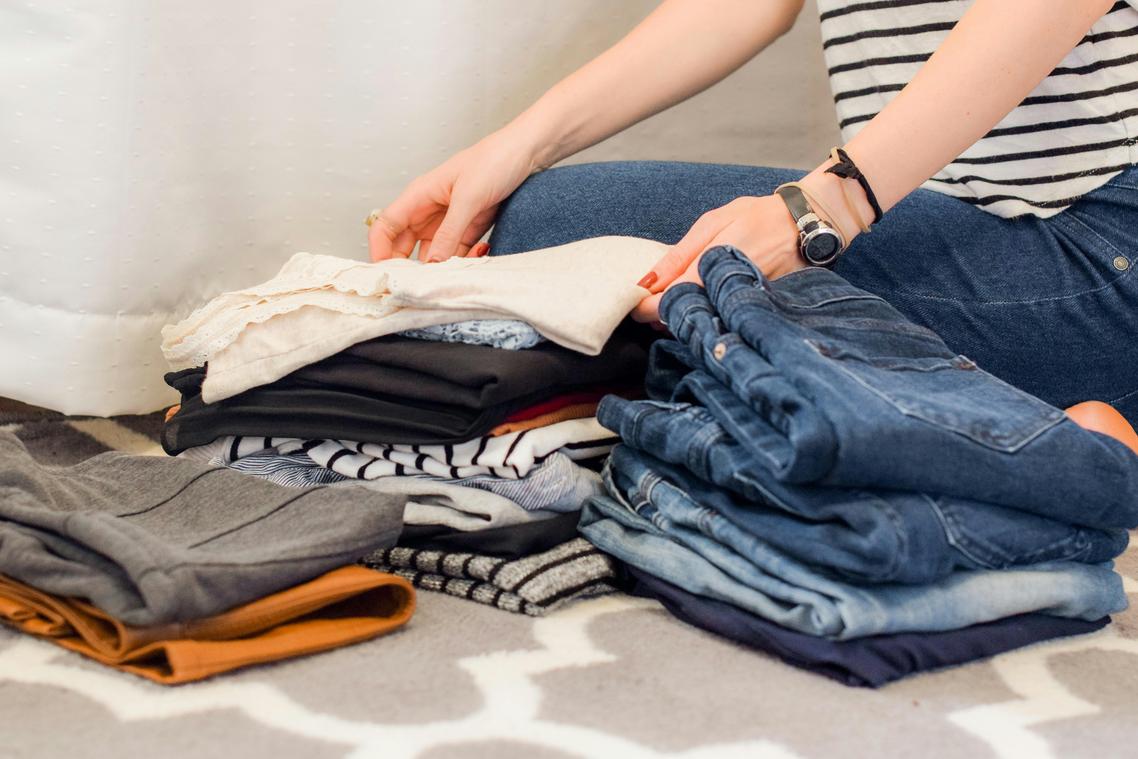
A smarter closet starts with one simple principle: group like with like. When you organize by broad categories—pants, shirts, dresses, sweaters—you create instant visual clarity. Instead of scanning a chaotic mix of fabrics and hangers, your brain processes neat clusters (and finds what it needs faster). The benefit? Less decision fatigue in the morning and more time for coffee.
Next, refine those groups. Sub-categorizing adds precision that pays off daily. Separate short-sleeve from long-sleeve shirts. Divide work pants from casual jeans. Think of it as upgrading from a paper map to GPS navigation. The more specific your sections, the less time you spend digging. Efficiency compounds—five minutes saved each day adds up to over 30 hours a year.
Now apply zone planning. Map your closet like real estate:
- Eye-level: everyday essentials
- Upper shelves: seasonal or occasional items
- Lower racks: shoes or storage bins
This placement strategy ensures high-frequency pieces stay within easy reach. The result is smoother routines and fewer “Where did I put that?” moments.
Finally, embrace color-coding within each category. Arranging from light to dark transforms your closet into a boutique-style display. Beyond aesthetics, it makes specific pieces pop instantly (yes, even that one black tee you swear disappeared).
These closet organization ideas don’t just make things look tidy—they create a system that supports your lifestyle. When everything has a logical home, getting dressed becomes faster, calmer, and surprisingly satisfying.
The Toolkit: Essential Products to Maximize Every Inch
Unify Your Hangers
If your closet still uses a mix of plastic, wire, and chunky wooden hangers, you’re losing space (and visual sanity). Slim, non-slip velvet hangers can create up to 30% more space, according to storage product manufacturers and retail studies (The Container Store). By “slim,” we mean ultra-thin profiles designed to reduce horizontal bulk. By “non-slip,” we’re talking about a velvety coating that prevents fabrics from sliding off. Some argue replacing perfectly good hangers is wasteful. Fair point. But when one small swap lets you fit an entire extra row of shirts, it’s hard to ignore the math.
Go Vertical
Most closets waste vertical space—the area from the hanging rod to the floor. Hanging shelf organizers (fabric compartments that suspend from rods) are ideal for sweaters. Shelf dividers keep purses upright (no more handbag pileups). Stackable clear bins maximize height while keeping items visible. Yes, critics say stacking makes access harder. That’s true—unless you categorize by frequency of use (pro tip: everyday items at eye level, seasonal up high).
Optimize Your Shelves and Drawers
Clear shoeboxes transform chaotic piles into visible systems. Drawer dividers corral socks, belts, and scarves into defined zones (a “zone” simply means a designated storage boundary). Woven baskets tame bulky items like sweatshirts. It may seem excessive, but defined compartments reduce decision fatigue—something organizational psychology research supports (Princeton Neuroscience Institute).
Use Hidden Real Estate
Over-the-door organizers turn ignored surfaces into storage powerhouses for shoes or accessories. Some say they look cluttered. Choose neutral tones and edit contents. Smart closet organization ideas aren’t about buying more—they’re about intentional placement. Start with decluttering your home room by room a practical checklist: https://wutawhacks.com.co/decluttering-your-home-room-by-room-a-practical-checklist/.
The System: Simple Habits to Maintain a Permanently Organized Closet
First, adopt the “One In, One Out” rule: for every new shirt or pair of shoes you buy, one leaves. This limit prevents overflow and protects shelf space. Some argue it feels restrictive; however, boundaries create freedom (ask any minimalist). Next, schedule a 5-Minute Weekly Reset. Set a timer, return hangers, refold knits, and realign bins before clutter compounds. Finally, implement a “Donation Station”—a labeled basket inside the closet. When something no longer fits your style, drop it in immediately. These closet organization ideas turn small actions into lasting order.
Enjoy Your New, Effortless Space
Now, you have a complete, actionable framework to turn your closet from daily frustration into quiet control. Before, mornings meant digging through clutter and second-guessing outfits. Now, everything is visible, accessible, and ready. Unlike generic closet organization ideas that focus on buying more bins, this approach centers on decision-making systems you can reuse for years. In other words, it’s practical, not Pinterest-perfect. And importantly, this isn’t about perfection; it’s about function. So start small. Schedule 30 minutes today, begin decluttering, and build momentum toward calmer, easier mornings. Progress always beats perfection in real life situations.
Make Your Closet Work for You, Not Against You
You started this guide because your closet felt cluttered, chaotic, and impossible to manage. Now you have practical, realistic closet organization ideas that turn wasted space into functional storage and daily frustration into simple routines.
The real problem was never just “too much stuff.” It was a lack of systems. With the right layout, smart storage tools, and a plan you can actually maintain, your closet becomes a space that supports your lifestyle instead of slowing you down.
Don’t let overwhelm creep back in. Choose one section of your closet today—just one—and apply the strategies you learned. Small, intentional changes create lasting order.
If you’re ready to finally eliminate clutter and make your home feel lighter and more functional, explore more proven home organization guides and step-by-step solutions designed to simplify real life. Thousands rely on these practical systems to reclaim their space—start now and see the difference for yourself.
 DIY & Smart Living Specialist
Alico Erbyons has opinions about smart living hacks. Informed ones, backed by real experience — but opinions nonetheless, and they doesn't try to disguise them as neutral observation. They thinks a lot of what gets written about Smart Living Hacks, Knowledge Corner, Lifestyle Organization Strategies is either too cautious to be useful or too confident to be credible, and they's work tends to sit deliberately in the space between those two failure modes.
Reading Alico's pieces, you get the sense of someone who has thought about this stuff seriously and arrived at actual conclusions — not just collected a range of perspectives and declined to pick one. That can be uncomfortable when they lands on something you disagree with. It's also why the writing is worth engaging with. Alico isn't interested in telling people what they want to hear. They is interested in telling them what they actually thinks, with enough reasoning behind it that you can push back if you want to. That kind of intellectual honesty is rarer than it should be.
What Alico is best at is the moment when a familiar topic reveals something unexpected — when the conventional wisdom turns out to be slightly off, or when a small shift in framing changes everything. They finds those moments consistently, which is why they's work tends to generate real discussion rather than just passive agreement.
DIY & Smart Living Specialist
Alico Erbyons has opinions about smart living hacks. Informed ones, backed by real experience — but opinions nonetheless, and they doesn't try to disguise them as neutral observation. They thinks a lot of what gets written about Smart Living Hacks, Knowledge Corner, Lifestyle Organization Strategies is either too cautious to be useful or too confident to be credible, and they's work tends to sit deliberately in the space between those two failure modes.
Reading Alico's pieces, you get the sense of someone who has thought about this stuff seriously and arrived at actual conclusions — not just collected a range of perspectives and declined to pick one. That can be uncomfortable when they lands on something you disagree with. It's also why the writing is worth engaging with. Alico isn't interested in telling people what they want to hear. They is interested in telling them what they actually thinks, with enough reasoning behind it that you can push back if you want to. That kind of intellectual honesty is rarer than it should be.
What Alico is best at is the moment when a familiar topic reveals something unexpected — when the conventional wisdom turns out to be slightly off, or when a small shift in framing changes everything. They finds those moments consistently, which is why they's work tends to generate real discussion rather than just passive agreement.