
If your kitchen feels more chaotic than calming, you’re not alone. Wasted steps, cluttered counters, and last-minute prep can turn even simple meals into daily stress points. This guide goes beyond quick fixes to deliver a complete, practical system designed to help you reclaim your time and energy. By applying proven organization principles inspired by professional workflows, you’ll transform your space into one that works with you—not against you. These kitchen efficiency hacks are simple, actionable, and designed for real homes. If you’re looking for clear steps to save time and reduce stress, you’re in the right place.
The Foundation: Strategic Organization for Effortless Flow
A well-organized kitchen isn’t about perfection. It’s about reducing friction. I can’t promise every layout works for every home (some galley kitchens simply refuse to cooperate), but strategic structure consistently makes cooking feel lighter.
Kitchen Zoning That Actually Makes Sense
Start with four zones:
- Prep – cutting boards, knives, mixing bowls
- Cooking – pots, pans, spices, utensils
- Cleaning – sink, dishwasher, trash, cloths
- Storage – pantry, fridge, dry goods
This layout supports your work triangle—the imaginary line between stove, sink, and refrigerator. When those three points are positioned efficiently, you reduce wasted steps (and frustration). I’ll admit, designers debate the perfect triangle distance, but the principle is clear: store tools where they’re used.
Vertical Victory
Walls are often ignored. Add tiered shelving, hooks, or under-shelf baskets to double usable space. Clear counters create mental clarity (Marie Kondo would approve). It’s one of the simplest kitchen efficiency hacks that doesn’t require renovation.
Drawer and Cabinet Logic
Group like with like:
- Utensil dividers prevent the “junk drawer effect.”
- Stackable containers maximize height.
- A first-reach zone keeps daily items within arm’s reach.
I’m not certain there’s one “right” grouping system, but consistency beats complexity every time.
Pantry Perfection
Use the First-In, First-Out (FIFO) method—older groceries move forward, newer ones go behind. Clear containers and labels let you see what you have instantly, reducing waste and duplicate buys. (We’ve all bought a second paprika.)
Mastering “Mise en Place”: The Art of Prepping Ahead
Mise en place (French for “everything in its place”) is a professional kitchen system where every ingredient is prepped, measured, and ready before cooking begins. It’s not just about chopping onions in advance; it’s a mindset of organized readiness. Culinary schools teach this as foundational because studies in workflow efficiency show structured preparation reduces task time and errors (Journal of Culinary Science & Technology). At home, it means less chaos and fewer “Where’s the garlic?” moments.
The Weekly Prep Ritual
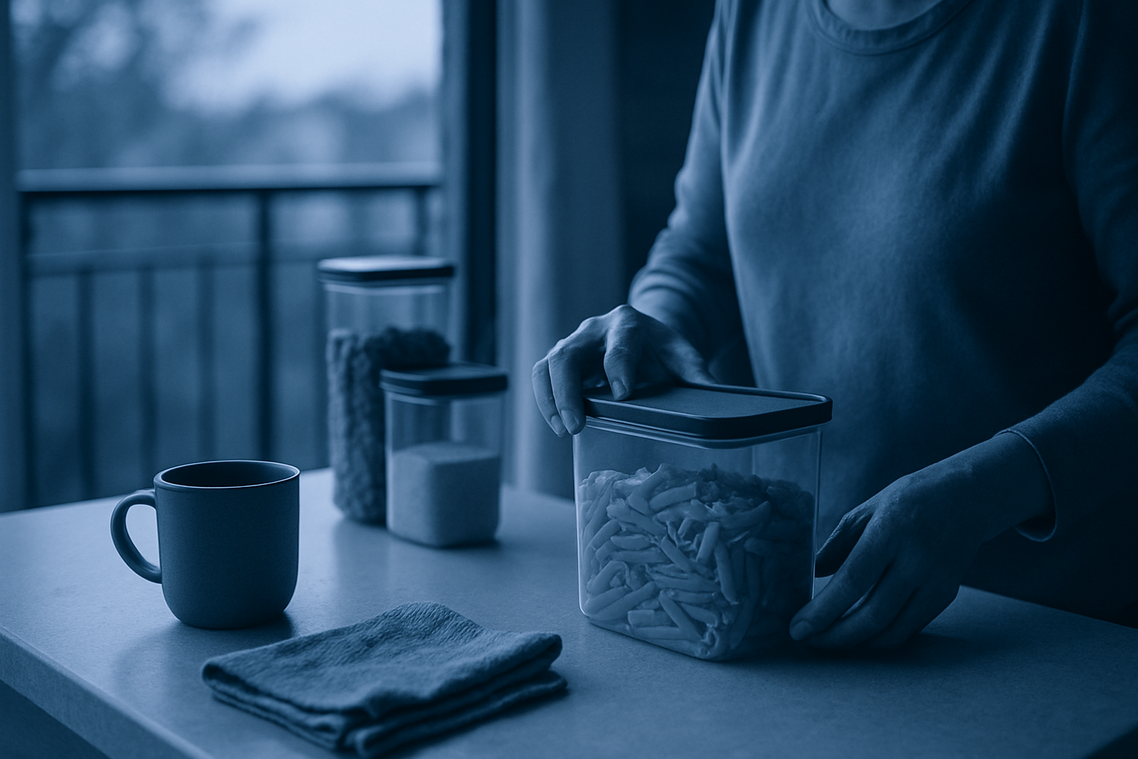
A focused 1-hour Sunday session can transform your week:
- Wash and chop sturdy vegetables (carrots, peppers, broccoli).
- Cook grains like rice or quinoa.
- Portion proteins for quick grab-and-go meals.
- Mix two versatile dressings.
Meal-prepping has been linked to healthier eating patterns and lower fast-food reliance (International Journal of Behavioral Nutrition and Physical Activity). Think of it as kitchen efficiency hacks for real life—not a Pinterest fantasy.
Smart Ingredient Storage
Freshness matters. Use glass containers to prevent odor transfer, line greens with paper towels to absorb moisture, and vacuum-seal proteins when possible. The USDA notes proper storage significantly reduces food waste, which averages nearly 30–40% of the U.S. food supply.
Recipe Deconstruction
Before turning on heat, read the full recipe. Pull and measure every ingredient first. Professional kitchens rely on this to prevent costly mistakes (and yes, even Gordon Ramsay does it). This simple habit mirrors strategies in productivity guides like how to create a smart home office setup for productivity: preparation prevents panic.
Smarter Cooking and Cleaning Workflows
A few years ago, I found myself staring at a sink full of dishes after making what was supposed to be a “quick” dinner. That night, I realized cooking wasn’t the problem—my workflow was. Since then, I’ve treated my kitchen like a system, not a scramble.
First, embrace batch cooking. Instead of preparing single meals, cook base ingredients in bulk—grilled chicken, roasted vegetables, a big pot of rice. On Sunday, I’ll roast two sheet pans of veggies and bake a tray of chicken breasts. By Tuesday, they’re tacos; by Thursday, they’re tossed into a grain bowl. It’s like meal prepping without the boredom (because nobody wants the same plate five days straight).
Next comes the “one-pot” philosophy. Sheet pan dinners, slow cooker stews, and one-pot pastas minimize cookware. Fewer pots mean fewer dishes—simple math. Some argue this limits creativity. I disagree. Constraints often spark better meals, not bland ones.
Then there’s Clean As You Go (CAYG), the habit that changed everything. While onions sauté, wash the cutting board. While pasta boils, wipe the counter. These small resets prevent the dreaded dish mountain.
Finally, set up the soaking sink before you even start. Fill one side with hot, soapy water and drop in utensils immediately. By the end, cleanup feels almost done already.
These small kitchen efficiency hacks add up. Cooking feels calmer, cleaning feels lighter, and weeknights stop feeling like a race against the clock.
Are you stocking your kitchen with tools or just collecting gadgets? A sharp chef’s knife (the Beyoncé of cookware), a sturdy bench scraper, and a reliable food processor can replace a drawer full of single-use clutter. In contrast, novelty slicers often gather dust. Meanwhile, digital recipe managers like Paprika or Notion store favorites, auto-build shopping lists, and scale ingredients without mental math. Ever doubled a recipe and forgotten the salt? Finally, try the humble timer—not only for baking, but for timeboxing prep and cleanup. These small kitchen efficiency hacks compound into calmer, faster meals. Sound familiar in your routine? today.
Your Path to a Permanently Efficient Kitchen
You came here looking for a better way to run your kitchen—and now you have a complete toolkit to make it happen. The chaos, wasted time, and daily frustration don’t have to be your normal anymore. By applying these kitchen efficiency hacks, you create simple, compounding habits that make prepping smoother, cooking faster, and cleanup almost automatic.
Don’t wait for the “perfect time.” Choose just one strategy—like setting up a soaking sink or organizing a single drawer—and implement it tonight. Small changes now create lasting efficiency tomorrow.
 Founder & CEO
Thalira Norvessa is the kind of writer who genuinely cannot publish something without checking it twice. Maybe three times. They came to daily digest through years of hands-on work rather than theory, which means the things they writes about — Daily Digest, Wuta DIY Renovation Techniques, Lifestyle Organization Strategies, among other areas — are things they has actually tested, questioned, and revised opinions on more than once.
That shows in the work. Thalira's pieces tend to go a level deeper than most. Not in a way that becomes unreadable, but in a way that makes you realize you'd been missing something important. They has a habit of finding the detail that everybody else glosses over and making it the center of the story — which sounds simple, but takes a rare combination of curiosity and patience to pull off consistently. The writing never feels rushed. It feels like someone who sat with the subject long enough to actually understand it.
Outside of specific topics, what Thalira cares about most is whether the reader walks away with something useful. Not impressed. Not entertained. Useful. That's a harder bar to clear than it sounds, and they clears it more often than not — which is why readers tend to remember Thalira's articles long after they've forgotten the headline.
Founder & CEO
Thalira Norvessa is the kind of writer who genuinely cannot publish something without checking it twice. Maybe three times. They came to daily digest through years of hands-on work rather than theory, which means the things they writes about — Daily Digest, Wuta DIY Renovation Techniques, Lifestyle Organization Strategies, among other areas — are things they has actually tested, questioned, and revised opinions on more than once.
That shows in the work. Thalira's pieces tend to go a level deeper than most. Not in a way that becomes unreadable, but in a way that makes you realize you'd been missing something important. They has a habit of finding the detail that everybody else glosses over and making it the center of the story — which sounds simple, but takes a rare combination of curiosity and patience to pull off consistently. The writing never feels rushed. It feels like someone who sat with the subject long enough to actually understand it.
Outside of specific topics, what Thalira cares about most is whether the reader walks away with something useful. Not impressed. Not entertained. Useful. That's a harder bar to clear than it sounds, and they clears it more often than not — which is why readers tend to remember Thalira's articles long after they've forgotten the headline.