
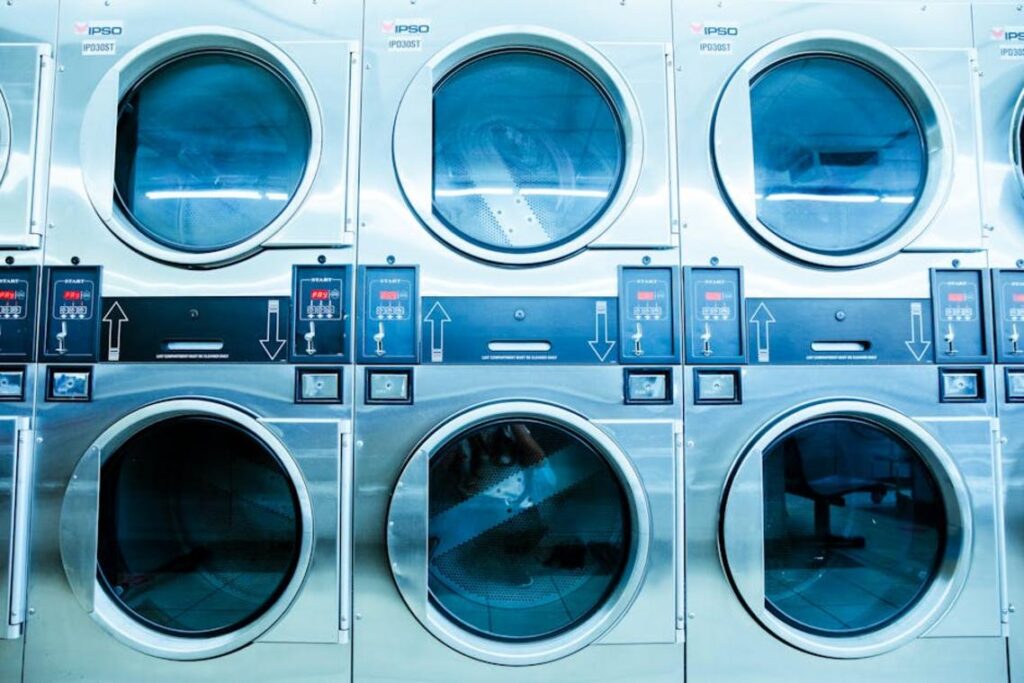
If you’re looking for practical ways to reduce energy bills, you’re not alone. Rising utility costs are putting pressure on households everywhere, and most homeowners want solutions that actually work—not vague advice or expensive upgrades with little return. This article is designed to help you cut energy waste, improve efficiency, and make smarter home decisions that lead to measurable savings.
We focus on proven, research-backed strategies that combine simple habit changes with cost-effective home improvements. From optimizing insulation and sealing air leaks to choosing energy-efficient appliances and smarter daily routines, every recommendation is grounded in data from energy experts and real-world performance studies.
Whether you’re aiming for small monthly savings or a significant reduction in long-term expenses, you’ll find clear, actionable steps here. By the end, you’ll understand where your home is likely losing energy—and exactly what to do about it.
The Zero-Cost Zone: 5 Changes to Make Right Now
1) The Thermostat Strategy
Think “set it and forget it.” The U.S. Department of Energy recommends 68°F in winter when you’re home and lower when asleep or away; 78°F in summer when you’re home and higher when away. Adjusting 7–10°F for eight hours a day can save up to 10% annually on heating and cooling (energy.gov). That’s real money to reduce energy bills without buying a single gadget. (Yes, comfort matters—but a hoodie in January works wonders.)
2) Unplug the “Energy Vampires”
Phantom load—electricity used by devices in standby—can account for 5–10% of residential energy use (Lawrence Berkeley National Laboratory). TVs, game consoles, and chargers are usual suspects. Use a power strip and flip it off at night.
3) Harness Natural Light
Open south-facing curtains in winter to capture solar heat; close them in summer to block it. The EPA notes strategic shading reduces cooling demand.
4) Optimize Fridge & Freezer Temps
Set your fridge to 40°F and freezer to 0°F (FDA). Colder settings waste energy and can shorten appliance life.
5) Check Your Water Heater
Set it to 120°F (DOE). It’s hot enough for comfort and lowers standby heat loss. Pro tip: test tap water with a thermometer to confirm.
Small tweaks compound into measurable savings.
Smarter Habits for Everyday Appliances
Laundry Day Revolution
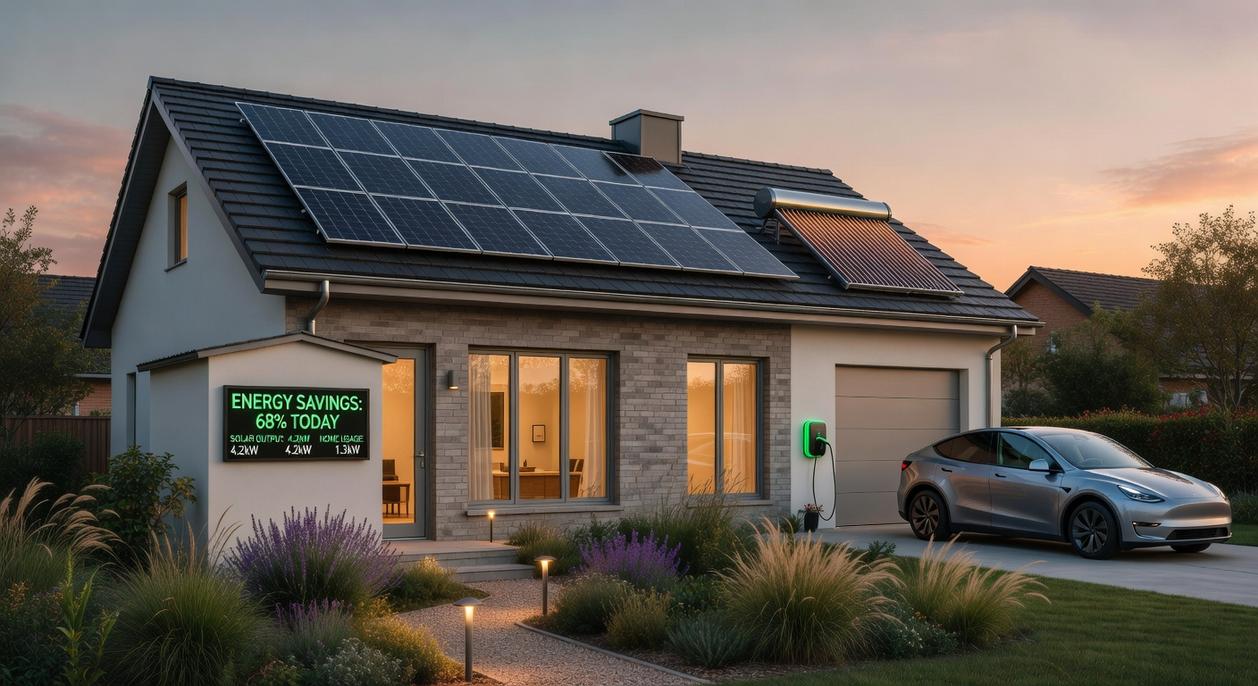
First, let’s tackle the washing machine. Heating water accounts for about 90% of a washer’s energy use (U.S. Department of Energy). Switching to cold water can cut that dramatically—modern detergents are designed to work effectively without heat. Next, make it a rule to run only full loads. A half-empty drum uses nearly the same energy as a full one. Finally, whenever possible, air-dry your clothes. A simple drying rack near a sunny window can save hundreds of kilowatt-hours a year (and your clothes will last longer—bonus).
Dishwasher Efficiency Hacks
Contrary to popular belief, a dishwasher is often more efficient than hand-washing. ENERGY STAR reports that certified models use less water than washing dishes under a running tap. The key is patience: wait until it’s full. Then select the “eco” setting, which uses lower temperatures and longer cycles to conserve energy. Skip the heat-dry cycle and, instead, crack the door open after the wash to let dishes air dry. It’s a small tweak that can reduce energy bills over time.
Strategic Cooking
Meanwhile, think about appliance size. A microwave uses up to 80% less energy than a conventional oven for small meals (DOE). Reheating leftovers? Choose the microwave. Baking a few cookies? Try a toaster oven. Planning chili or stew? A slow cooker draws minimal power over several hours.
Computer Power Management
Lastly, check your computer’s settings. On Windows or macOS, head to “Power & Sleep” and set sleep mode for 5–10 minutes of inactivity. Enable hibernation overnight. It’s a five-minute setup that pays off daily.
Low-Cost Upgrades with a High Return
Small home upgrades can deliver outsized financial benefits—no major renovation required (and no reality TV crew needed).
The LED Lighting Switch
An LED (light-emitting diode, a highly energy-efficient light source) uses up to 75% less energy and lasts 25 times longer than incandescent bulbs, according to the U.S. Department of Energy. If you replace a 60W incandescent with a 9W LED and run it 3 hours a day, you’ll save about $10–$15 per year per bulb. Since many LEDs cost under $5, an LED bulb pays for itself in under a year—then keeps saving you money. Multiply that across 15–20 bulbs, and the benefits stack up fast.
DIY Air Leak Sealing
Drafts around windows and doors quietly drain your wallet. Air leaks force your HVAC system to work harder, increasing utility costs. Run your hand along frames on a windy day or use a candle to spot flickering flames. Seal gaps with weatherstripping (for movable parts) or caulk (for fixed cracks). This $20 fix can cut heating and cooling costs by up to 10%, per Energy Star. That’s comfort and savings in one afternoon.
Smart Power Strips & Plugs
A basic power strip simply adds outlets. A smart strip or plug, however, can detect standby power—electricity used by devices even when “off” (often called energy vampires)—and shut it down automatically. Controlled via phone, they make it effortless to reduce energy bills without changing habits.
Install a Low-Flow Showerhead
Water heating accounts for about 18% of home energy use (U.S. DOE). A low-flow showerhead reduces hot water use while maintaining pressure. Less hot water means less electricity consumed—simple math, real savings.
For more practical home optimization, explore space saving furniture ideas for small apartments.
Smart Upgrades That Pay You Back
ENERGY STAR ratings signal that an appliance meets efficiency standards set by the U.S. Environmental Protection Agency (EPA). Choose certified refrigerators, washers, and HVAC systems to reduce energy bills over their 10–15 year lifespan. Pro tip: Check the yellow EnergyGuide label for estimated operating costs before buying.
Insulation works like a thermal blanket. Without proper attic and wall coverage, heated or cooled air escapes (and so does your money). To improve efficiency:
- Schedule a energy audit to spot leaks.
- Seal gaps with weatherstripping and caulk.
- Upgrade attic insulation to recommended R-values for your climate.
Start Saving Smarter at Home Today
You came here looking for practical, realistic ways to create a more efficient, organized, and cost-effective home. Now you have the strategies to simplify your spaces, make smarter upgrades, and take control of everyday energy waste.
Rising utility costs and inefficient systems can quietly drain your budget month after month. That frustration adds up fast. The good news? Small, intentional changes—like sealing drafts, upgrading lighting, and optimizing appliance use—can significantly reduce energy bills without overwhelming renovations.
The next step is simple: pick one improvement from this guide and implement it today. Then build from there. Consistent action creates lasting savings.
If you’re ready for even more smart home strategies, step-by-step DIY solutions, and proven hacks thousands of homeowners rely on, explore our latest guides now. Start making changes today and turn your home into a space that works smarter—and costs less—every single month.
 DIY & Smart Living Specialist
Alico Erbyons has opinions about smart living hacks. Informed ones, backed by real experience — but opinions nonetheless, and they doesn't try to disguise them as neutral observation. They thinks a lot of what gets written about Smart Living Hacks, Knowledge Corner, Lifestyle Organization Strategies is either too cautious to be useful or too confident to be credible, and they's work tends to sit deliberately in the space between those two failure modes.
Reading Alico's pieces, you get the sense of someone who has thought about this stuff seriously and arrived at actual conclusions — not just collected a range of perspectives and declined to pick one. That can be uncomfortable when they lands on something you disagree with. It's also why the writing is worth engaging with. Alico isn't interested in telling people what they want to hear. They is interested in telling them what they actually thinks, with enough reasoning behind it that you can push back if you want to. That kind of intellectual honesty is rarer than it should be.
What Alico is best at is the moment when a familiar topic reveals something unexpected — when the conventional wisdom turns out to be slightly off, or when a small shift in framing changes everything. They finds those moments consistently, which is why they's work tends to generate real discussion rather than just passive agreement.
DIY & Smart Living Specialist
Alico Erbyons has opinions about smart living hacks. Informed ones, backed by real experience — but opinions nonetheless, and they doesn't try to disguise them as neutral observation. They thinks a lot of what gets written about Smart Living Hacks, Knowledge Corner, Lifestyle Organization Strategies is either too cautious to be useful or too confident to be credible, and they's work tends to sit deliberately in the space between those two failure modes.
Reading Alico's pieces, you get the sense of someone who has thought about this stuff seriously and arrived at actual conclusions — not just collected a range of perspectives and declined to pick one. That can be uncomfortable when they lands on something you disagree with. It's also why the writing is worth engaging with. Alico isn't interested in telling people what they want to hear. They is interested in telling them what they actually thinks, with enough reasoning behind it that you can push back if you want to. That kind of intellectual honesty is rarer than it should be.
What Alico is best at is the moment when a familiar topic reveals something unexpected — when the conventional wisdom turns out to be slightly off, or when a small shift in framing changes everything. They finds those moments consistently, which is why they's work tends to generate real discussion rather than just passive agreement.