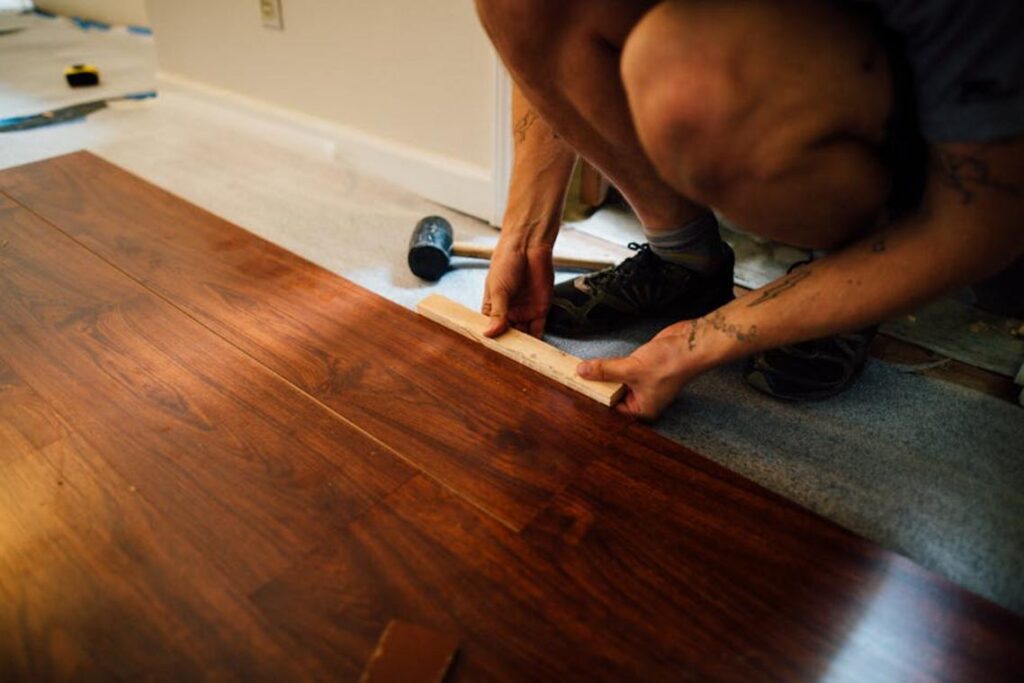

Planning a bathroom upgrade? Getting it right from the start makes all the difference. A tile project can instantly elevate your space—but without the right guidance, small mistakes can lead to uneven surfaces, cracked grout, and costly water damage. That’s why these bathroom tile installation tips focus on what truly matters: proper preparation, precise layout, and durable finishing techniques. Built on years of hands-on renovation experience and real-world problem solving, this guide walks you through each critical step so you can avoid common pitfalls and achieve a clean, professional-looking result that stands the test of time.
Pre-Installation Prep: The Foundation of a Perfect Finish
Before a single tile touches mortar, the real work begins. In fact, the success of your entire project hinges on what happens underneath. A pristine, stable, waterproof surface isn’t optional—it’s non-negotiable.
Assess and Level Your Surface: First, grab a 4-foot level and check for dips or humps in the subfloor. Even small inconsistencies can cause cracked grout or tiles later (and yes, they will show up at the worst time). Use self-leveling underlayment to fill low spots and sand or grind down high ones. Any flex in the floor is trouble. Some DIYers argue minor unevenness won’t matter once everything’s set. Maybe in low-traffic spaces—but in bathrooms, constant moisture and movement make flaws less forgiving.
Waterproofing is Your Best Insurance: Especially in wet zones like showers or around tubs, apply a liquid membrane such as RedGard or install a sheet membrane like Schluter-KERDI. I’ll be honest—there’s debate about whether full waterproofing is necessary outside direct splash areas. However, considering the cost of subfloor rot (which the EPA notes can lead to mold issues), the extra layer feels like cheap insurance.
Strategic Layout Planning: Next, find the room’s center and dry lay your tiles. This step helps you avoid awkward slivers along walls. (Tiny tile strips have ruined more than a few weekend projects.)
The 15% Rule: Finally, calculate square footage and add 15% to your order. Breakage happens. Cuts go wrong. Running out mid-project is worse.
For more bathroom tile installation tips, remember: prep determines polish. Pro tip: double-check measurements before mixing mortar—once it’s spread, there’s no rewind button.
Mastering the Installation: Tools and Techniques for a Pro Look
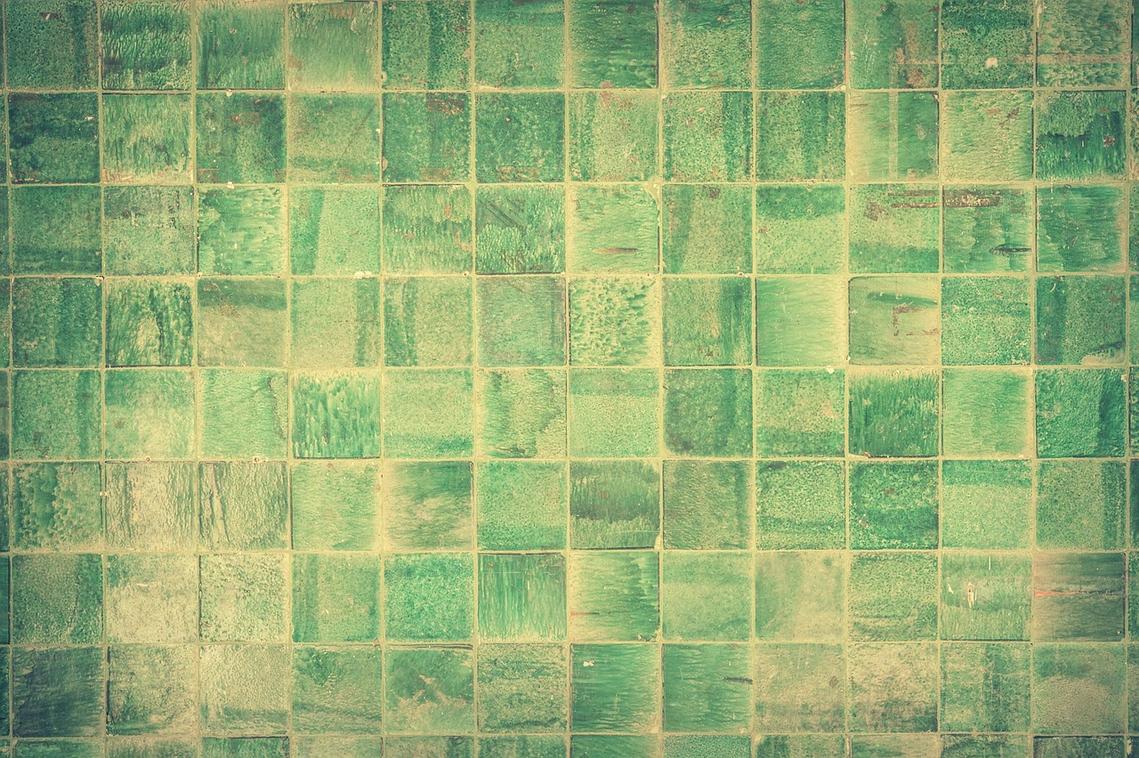
With prep work complete, technique becomes everything. After all, even premium tile can look amateur if the installation is off by a few millimeters (and yes, your eye will notice). While most guides repeat the basics, let’s dig into the details that separate a decent job from a professional finish.
Choose the Right Thin-Set Mortar: Polymer-modified thin-set—meaning mortar enhanced with latex polymers for flexibility and bond strength—is ideal for most floors and wet areas. It resists cracking as surfaces expand and contract. Mix it to a creamy, peanut-butter-like consistency, then let it “slake” for 5–10 minutes. Skipping this rest period weakens the chemical bonding process (a small pause now prevents big regrets later).
Proper Trowel Technique: Select a notched trowel sized for your tile. Hold it at a 45-degree angle to create consistent ridges. Here’s what many competitors forget: comb all ridges in one direction. When you press the tile down and slide it perpendicular to the ridges, air escapes more efficiently—helping you achieve the industry-recommended 85–95% coverage.
Beat Lippage with a Leveling System: Lippage—when one tile edge sits higher than the next—can ruin the look of large-format tile. Clips and wedges lock tiles into alignment as mortar cures. Especially with tiles over 12×12, this system is less “optional upgrade” and more “secret weapon.”
Back-Butter Large Format Tiles: For tiles longer than 15 inches, apply a thin layer of mortar to the back before setting. This fills micro-voids and prevents hollow spots that can crack under pressure.
Making Precision Cuts: A wet saw delivers smooth cuts on porcelain, while a snap cutter works for straight ceramic lines. Pro tip: lightly sand cut edges with a rubbing stone for factory-like smoothness.
Finally, integrate bathroom tile installation tips into your workflow—especially regarding moisture control and proper mortar selection—because durability matters just as much as appearance.
Finishing Touches: Grouting and Sealing for Durability
Grouting is more than filling gaps between tiles. It’s the material that locks everything together, adding structural integrity (the strength that keeps tiles from shifting) while shaping the final look of your space. Done right, it delivers that crisp, professional finish you see in home renovation shows.
First, select the right grout. Use sanded grout for joints 1/8″ or wider because the sand adds strength and reduces cracking. For tighter joints, choose unsanded grout, which spreads smoothly into narrow lines. In moisture-heavy spaces, epoxy grout is worth considering. It’s highly resistant to stains and mold, though it sets quickly and can be tricky to handle (think speed chess, but with a float).
Next, apply the grout using a rubber grout float at a 45-degree angle. Press firmly to pack joints completely. Work in small sections so the grout doesn’t harden before cleanup. After 15–30 minutes, wipe the surface with a damp—not dripping—grout sponge. Rinse frequently for a clean finish.
However, never grout inside corners or where surfaces change direction. These areas move naturally. Instead, apply 100% silicone caulk. Its flexibility prevents cracking that rigid grout can’t handle.
Finally, once the grout cures (usually 48–72 hours), apply a quality sealer. This invisible barrier repels moisture and stains, making maintenance far easier. For more bathroom tile installation tips, remember: careful prep and patience always pay off. Pro tip: test sealer on a small area first to confirm compatibility.
Step Back and Admire Your Work
You started this project wanting clear, reliable bathroom tile installation tips that would help you avoid costly mistakes—and now you have them. By focusing on proper prep, precise placement, and moisture protection, you’ve eliminated the biggest DIY frustrations: uneven tiles, weak adhesion, and future water damage. That attention to detail is what turns an average job into a professional-looking, long-lasting finish.
If you’re ready to take on your next home upgrade with the same confidence, don’t stop here. Explore more proven DIY strategies and smart renovation guides to keep improving your space. Get the tools, follow the method, and start your next project today.
 DIY & Smart Living Specialist
Alico Erbyons has opinions about smart living hacks. Informed ones, backed by real experience — but opinions nonetheless, and they doesn't try to disguise them as neutral observation. They thinks a lot of what gets written about Smart Living Hacks, Knowledge Corner, Lifestyle Organization Strategies is either too cautious to be useful or too confident to be credible, and they's work tends to sit deliberately in the space between those two failure modes.
Reading Alico's pieces, you get the sense of someone who has thought about this stuff seriously and arrived at actual conclusions — not just collected a range of perspectives and declined to pick one. That can be uncomfortable when they lands on something you disagree with. It's also why the writing is worth engaging with. Alico isn't interested in telling people what they want to hear. They is interested in telling them what they actually thinks, with enough reasoning behind it that you can push back if you want to. That kind of intellectual honesty is rarer than it should be.
What Alico is best at is the moment when a familiar topic reveals something unexpected — when the conventional wisdom turns out to be slightly off, or when a small shift in framing changes everything. They finds those moments consistently, which is why they's work tends to generate real discussion rather than just passive agreement.
DIY & Smart Living Specialist
Alico Erbyons has opinions about smart living hacks. Informed ones, backed by real experience — but opinions nonetheless, and they doesn't try to disguise them as neutral observation. They thinks a lot of what gets written about Smart Living Hacks, Knowledge Corner, Lifestyle Organization Strategies is either too cautious to be useful or too confident to be credible, and they's work tends to sit deliberately in the space between those two failure modes.
Reading Alico's pieces, you get the sense of someone who has thought about this stuff seriously and arrived at actual conclusions — not just collected a range of perspectives and declined to pick one. That can be uncomfortable when they lands on something you disagree with. It's also why the writing is worth engaging with. Alico isn't interested in telling people what they want to hear. They is interested in telling them what they actually thinks, with enough reasoning behind it that you can push back if you want to. That kind of intellectual honesty is rarer than it should be.
What Alico is best at is the moment when a familiar topic reveals something unexpected — when the conventional wisdom turns out to be slightly off, or when a small shift in framing changes everything. They finds those moments consistently, which is why they's work tends to generate real discussion rather than just passive agreement.