Looking for practical ways to improve your space without wasting time or money? This article is designed to give you clear, actionable guidance you can use right away. Whether you’re tackling DIY wall repair, reorganizing a cluttered room, planning a small renovation, or searching for smarter ways to manage everyday living, you’ll find straightforward solutions that actually work.
We focus on realistic, step-by-step strategies tailored for homeowners and renters who want results—not complicated instructions or unnecessary upgrades. Our recommendations are built on proven home improvement practices, current lifestyle trends, and expert-backed organization methods to ensure you’re getting advice you can trust.
By the end of this guide, you’ll have practical tips, smart shortcuts, and confidence-boosting insights to handle common home challenges efficiently and affordably.
When a Crack Is Potentially More Than Cosmetic
Before you attempt any DIY wall repair, pause. According to the American Society of Civil Engineers, structural issues cost U.S. homeowners billions annually in repairs. A hairline crack from normal settling is common; a widening, jagged split is not.
Red flags include diagonal cracks from window or door corners, gaps wider than 1/4 inch, stair-step fractures in brick, or cracks that keep returning after patching. If a wall bulges or a door suddenly sticks, that can signal foundation movement. The Federal Emergency Management Agency notes shifting foundations are tied to poor drainage.
Some argue small cracks are purely cosmetic. Sometimes that’s true. But growth over weeks or months suggests active movement (and that’s your cue to call a pro).
Pro tip: Mark the crack’s edges with pencil and date it to track changes.
See helpful unclogging drains naturally safe and effective methods
Let’s be honest: the difference between a seamless wall and an obvious patch usually comes down to tools. I’ve tried shortcuts before (spoiler: they show), and I always come back to a simple, reliable kit.
The Must-Haves
First, grab a flexible putty knife in 1.5-inch and 4-inch sizes. The smaller blade presses compound into tight cracks, while the wider one feathers edges smoothly. Next, choose a lightweight, sandable spackling or joint compound; for hairline cracks, heavy mixes are overkill.
Then, keep a fine-grit sanding sponge (120–220 grit) on hand. It smooths without gouging the wall—something sandpaper often does. A utility knife helps open the crack slightly so the filler bonds better. After that, use shop towels or a damp rag to clean and soften edges.
Finally, always prime before painting. In my opinion, skipping primer ruins a DIY wall repair. Pro tip: match sheen for an invisible finish every time.
The 5-Step Method for Making Cracks Vanish
Hairline cracks in drywall and plaster are common, especially in homes that naturally expand and contract with temperature changes. These small splits are usually cosmetic (meaning they don’t signal structural damage), but they can make an otherwise clean wall look neglected. The good news? This DIY wall repair method is simple, affordable, and beginner-friendly.
Step 1: Prep the Area
Start by cleaning the wall with a dry cloth to remove dust and debris. Even tiny particles can prevent filler from bonding properly. Lay down a drop cloth to protect your floors—because dried spackle is stubborn (and your vacuum will complain).
Step 2: Widen the Crack
It sounds backward, but slightly widening the crack creates better adhesion. Use a utility knife to score a shallow V-shaped groove along the split. This groove gives the filler something solid to grip instead of sitting loosely on the surface.
Step 3: Apply the Filler
Load a small amount of spackle (a paste used to fill minor wall imperfections) onto a 1.5-inch putty knife. Press firmly into the groove, then scrape away excess. Follow with a thin second coat using a 4-inch knife, feathering the edges so it blends seamlessly. THINK THIN LAYERS, NOT THICK GLOBS.
Pro tip: Two thin coats dry faster and crack less than one heavy coat.
Step 4: Sand for a Smooth Finish
Once fully dry (check the manufacturer’s instructions), sand lightly with a sanding sponge until flush with the wall. Wipe away dust using a damp cloth.
Step 5: Prime and Paint
Apply primer to prevent “flashing” (when patched spots absorb paint unevenly). After drying, paint to match your wall.
Quick checklist before painting:
- Patch is fully dry
- Surface feels smooth
- Dust is completely removed
Follow these steps, and those cracks will practically disappear (like they were never there).
Pro Tips for an Invisible, Professional-Grade Repair
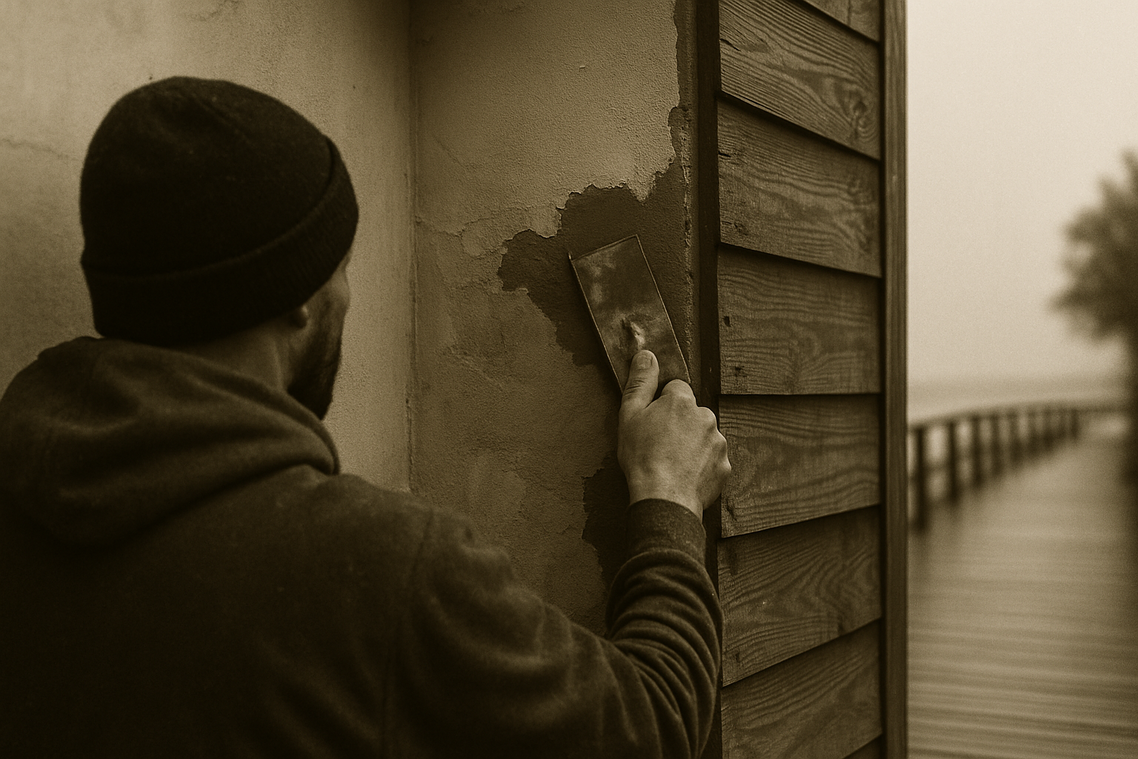
Go beyond the basics with these techniques for a seamless finish. As one contractor once told me, “Anyone can patch a hole. Not everyone can make it disappear.” That difference comes down to patience and precision.
First, remember:
- Multiple Thin Coats are Better Than One Thick Coat: A heavy blob of spackle might feel efficient, but it shrinks as it dries and can crack. Apply two or three thin layers instead, letting each dry fully. As my neighbor grumbled mid-project, “I rushed it once. Never again.” Lesson learned.
Next, refine the edges.
- Use a Damp Rag for Feathering: After applying spackle, lightly wipe the perimeter with a damp rag. This softens harsh lines and reduces sanding later (your future self will thank you).
However, textured walls add a twist.
- Dealing with Textured Walls: Spray-on texture can replicate orange peel or knockdown finishes. “Practice on cardboard first,” a paint specialist advised. “Match the pattern before you commit.” Wise words.
Finally, plan ahead.
- Save Your Paint: Keep a sealed jar of leftover paint. If not, bring a paint chip for color matching.
Master these details, and your DIY wall repair will look professionally done.
Bring Your Walls Back to Life with Confidence
You came here looking for a clear, practical way to handle DIY wall repair without the stress, confusion, or costly mistakes. Now you know what causes common wall damage, how to fix it properly, and how to prevent future issues before they start.
Wall cracks, dents, and peeling paint aren’t just cosmetic problems — they make your home feel unfinished and frustrating. The good news? With the right approach, you can fix them yourself and restore a clean, polished look without hiring expensive contractors.
Your next step is simple: gather the right tools, follow the repair method that matches your wall type, and tackle one section at a time. If you want more smart home fixes, step-by-step guides, and practical solutions that actually work, explore our top-rated home improvement resources today and start transforming your space with confidence.
 Head of Content & Lifestyle Strategist
Ask Williamen Glaseroller how they got into home solutions and fixes and you'll probably get a longer answer than you expected. The short version: Williamen started doing it, got genuinely hooked, and at some point realized they had accumulated enough hard-won knowledge that it would be a waste not to share it. So they started writing.
What makes Williamen worth reading is that they skips the obvious stuff. Nobody needs another surface-level take on Home Solutions and Fixes, Smart Living Hacks, Lifestyle Organization Strategies. What readers actually want is the nuance — the part that only becomes clear after you've made a few mistakes and figured out why. That's the territory Williamen operates in. The writing is direct, occasionally blunt, and always built around what's actually true rather than what sounds good in an article. They has little patience for filler, which means they's pieces tend to be denser with real information than the average post on the same subject.
Williamen doesn't write to impress anyone. They writes because they has things to say that they genuinely thinks people should hear. That motivation — basic as it sounds — produces something noticeably different from content written for clicks or word count. Readers pick up on it. The comments on Williamen's work tend to reflect that.
Head of Content & Lifestyle Strategist
Ask Williamen Glaseroller how they got into home solutions and fixes and you'll probably get a longer answer than you expected. The short version: Williamen started doing it, got genuinely hooked, and at some point realized they had accumulated enough hard-won knowledge that it would be a waste not to share it. So they started writing.
What makes Williamen worth reading is that they skips the obvious stuff. Nobody needs another surface-level take on Home Solutions and Fixes, Smart Living Hacks, Lifestyle Organization Strategies. What readers actually want is the nuance — the part that only becomes clear after you've made a few mistakes and figured out why. That's the territory Williamen operates in. The writing is direct, occasionally blunt, and always built around what's actually true rather than what sounds good in an article. They has little patience for filler, which means they's pieces tend to be denser with real information than the average post on the same subject.
Williamen doesn't write to impress anyone. They writes because they has things to say that they genuinely thinks people should hear. That motivation — basic as it sounds — produces something noticeably different from content written for clicks or word count. Readers pick up on it. The comments on Williamen's work tend to reflect that.