
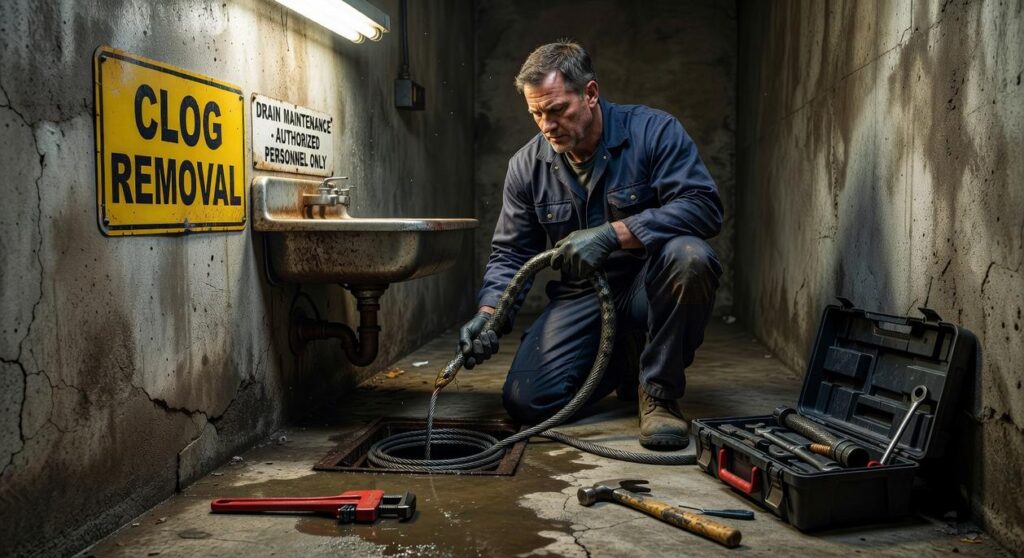
Clogged drains are more than just a minor inconvenience—they can disrupt your entire home routine. If you’re searching for practical, effective solutions, you’re likely looking for ways to clear blockages quickly without damaging your pipes or relying on harsh chemicals. This article is designed to guide you through proven natural drain unclogging methods that are safe, affordable, and easy to use with items you may already have at home.
We’ve carefully reviewed widely recommended home maintenance practices and compared common DIY techniques to ensure the solutions shared here are both reliable and practical. Instead of quick fixes that only mask the problem, you’ll learn approaches that target buildup at its source, helping restore proper flow and prevent future clogs.
Whether you’re dealing with a slow-draining sink, a backed-up shower, or recurring pipe issues, this guide will walk you through clear, step-by-step strategies that align with what you’re searching for: real solutions that work.
Baking soda and vinegar might look like humble pantry staples, but together they create a mini science experiment in your drain. When sodium bicarbonate (a basic compound, meaning it has a higher pH) meets acetic acid (a mild acid found in white vinegar), they trigger an acid-base reaction. In simple terms, an acid-base reaction happens when opposite chemical properties neutralize each other. The result? Carbon dioxide gas, water, and sodium acetate. That rapid release of carbon dioxide is what causes the energetic fizzing you see.
Now, here’s why I’m a fan. That fizz isn’t just for show. The bubbling action agitates grime clinging to pipe walls, physically loosening hair, soap scum, and bits of food. Think of it like a gentle, DIY version of those foamy science fair volcanoes (yes, the kind we all made in school). As the bubbles expand, they push debris upward and outward, breaking apart minor clogs without harsh chemicals.
So how do you do it properly? First, pour 1/2 cup of baking soda directly into the drain. Next, add 1/2 cup of white vinegar. Immediately cover the drain to trap the reaction inside the pipe. Then wait 30–60 minutes. Finally, flush everything with a kettle of boiling water to wash away the loosened debris.
Are there stronger solutions out there? Sure. But for kitchen sinks with food buildup and bathroom drains clogged with soap scum and hair, I believe natural drain unclogging methods like this are a smart first step. It works surprisingly well overall.
Melting Through Grease: The Boiling Water and Salt Flush
Kitchen sink clogs are often caused by grease—specifically fats, oils, and grease (commonly called FOG) that cool, solidify, and cling to pipe walls. Think bacon drippings that look harmless when hot but turn into candle wax once cooled (not exactly what you want lining your plumbing). This method is one of the most reliable natural drain unclogging methods for that exact problem.
Here’s why it works. Boiling water reheats and melts the solidified grease, turning it back into a liquid so it can move. Salt acts as a mild abrasive—meaning it gently scrubs buildup as it travels down the pipe. Together, they loosen and flush residue.
Step-by-Step
- Pour 1/2 cup of salt directly down the drain.
- Slowly pour 2–3 quarts of boiling water over it. Go gradually so the heat has time to break down grease.
Pro Tip: Add a few squirts of eco-friendly dish soap with the salt. Soap helps emulsify grease—breaking it into smaller droplets that rinse away more easily.
Caution: Don’t use this method on PVC pipes if you suspect a complete blockage. Standing boiling water can soften plastic and worsen the issue.
When You Need a Hands-On Approach: Simple Tools for Stubborn Clogs
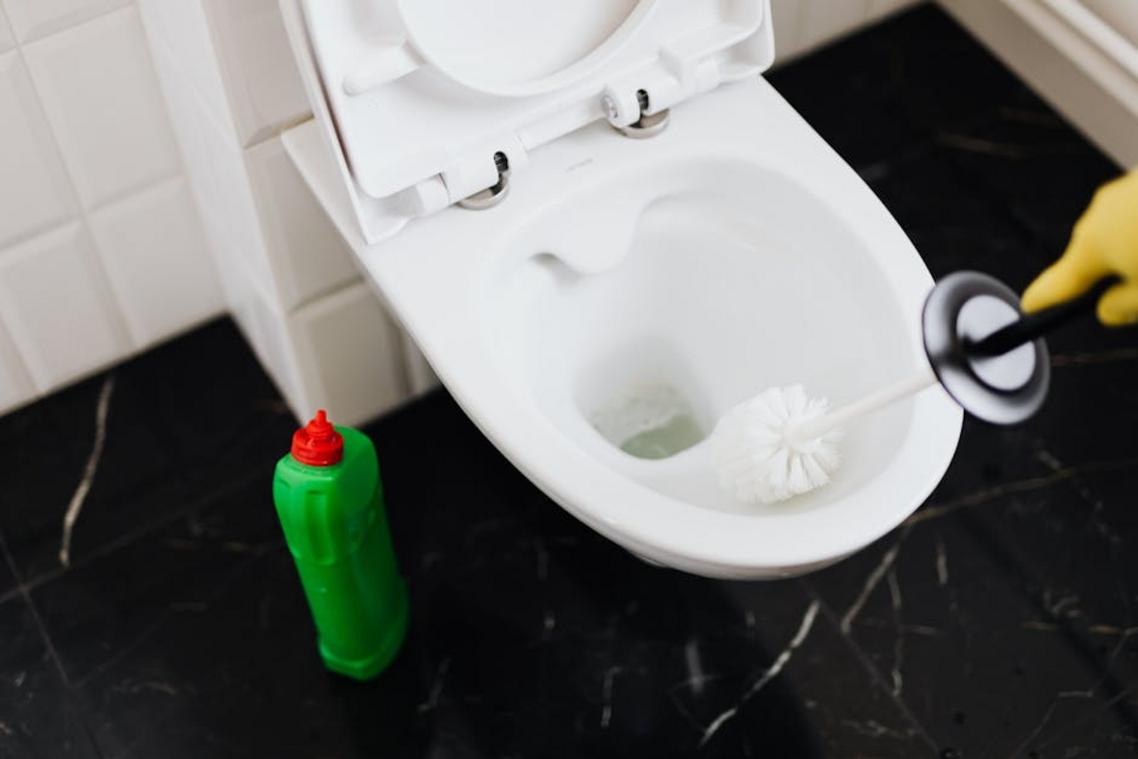
Sometimes, no amount of baking soda, vinegar, or other natural drain unclogging methods will break through a stubborn blockage. That’s when physical removal—literally pulling the clog out—becomes your best bet. It may not be glamorous, but it works (and yes, it can be a little gross).
The Bent Wire Hanger
First, grab a basic wire hanger. Straighten it out, then use pliers to bend a small hook at one end. The hook should be narrow enough to fit into the drain but curved enough to snag debris. Slowly feed it down, twist gently, and pull up. This method is especially effective for hair and soap scum lurking just below the surface.
The Drain Snake (Zip-It Tool)
Next, consider a plastic drain snake—also called a Zip-It tool. It’s a thin, flexible strip with small barbs designed to grab hair clogs. Insert, twist, and pull. The barbs latch onto buildup surprisingly well.
Plunger Power
Finally, don’t underestimate a plunger. Create a tight seal over the drain and ensure there’s enough water to cover the rubber cup. Then plunge firmly to build pressure and dislodge the blockage.
Best for showers, tubs, and small dropped objects. For other household fixes, see troubleshooting common electrical outlet problems at home.
Prevention is the Best Cure: Daily Habits for Clear Drains
Most drain disasters start with, “It’ll be fine.” Then the water stops moving.
“I don’t get it,” my neighbor once said. “It was draining slow last week, and now it’s completely blocked.”
That’s the difference between reactive fixes and proactive habits.
Install Drain Catchers
These simple mesh or silicone screens are your first line of defense. They trap hair and food particles before they slip into pipes (where clogs quietly form). Even plumbers call them “the cheapest insurance you’ll ever buy.”
Regular Flushing
Pour boiling water down drains weekly or bi-weekly. It helps dissolve grease and soap buildup before it hardens.
Be Mindful
Never pour cooking grease, coffee grounds, or fibrous scraps down the sink. As one plumber told me, “Your pipes aren’t a trash can.”
The Monthly Maintenance Routine
Use baking soda and vinegar as part of natural drain unclogging methods to keep pipes fresh and odor-free.
Clear Drains, Clear Mind: Take Back Control Today
You came here looking for real solutions to stubborn clogs — and now you know that harsh chemicals and expensive service calls aren’t your only options. With the right approach and consistent maintenance, natural drain unclogging methods can restore flow, eliminate odors, and protect your plumbing long-term.
Blocked drains are more than a minor annoyance. They slow down your routine, create unpleasant smells, and can turn into costly repairs if ignored. The good news? You don’t have to live with recurring clogs or rely on temporary fixes.
Start putting these methods into practice today. Clear the buildup, stay proactive with preventative habits, and make drain care part of your regular home routine.
If you’re tired of slow drains and messy backups, now’s the time to act. Follow these proven steps and take control of your plumbing the smart way. Your home — and your peace of mind — will thank you.
 Founder & CEO
Thalira Norvessa is the kind of writer who genuinely cannot publish something without checking it twice. Maybe three times. They came to daily digest through years of hands-on work rather than theory, which means the things they writes about — Daily Digest, Wuta DIY Renovation Techniques, Lifestyle Organization Strategies, among other areas — are things they has actually tested, questioned, and revised opinions on more than once.
That shows in the work. Thalira's pieces tend to go a level deeper than most. Not in a way that becomes unreadable, but in a way that makes you realize you'd been missing something important. They has a habit of finding the detail that everybody else glosses over and making it the center of the story — which sounds simple, but takes a rare combination of curiosity and patience to pull off consistently. The writing never feels rushed. It feels like someone who sat with the subject long enough to actually understand it.
Outside of specific topics, what Thalira cares about most is whether the reader walks away with something useful. Not impressed. Not entertained. Useful. That's a harder bar to clear than it sounds, and they clears it more often than not — which is why readers tend to remember Thalira's articles long after they've forgotten the headline.
Founder & CEO
Thalira Norvessa is the kind of writer who genuinely cannot publish something without checking it twice. Maybe three times. They came to daily digest through years of hands-on work rather than theory, which means the things they writes about — Daily Digest, Wuta DIY Renovation Techniques, Lifestyle Organization Strategies, among other areas — are things they has actually tested, questioned, and revised opinions on more than once.
That shows in the work. Thalira's pieces tend to go a level deeper than most. Not in a way that becomes unreadable, but in a way that makes you realize you'd been missing something important. They has a habit of finding the detail that everybody else glosses over and making it the center of the story — which sounds simple, but takes a rare combination of curiosity and patience to pull off consistently. The writing never feels rushed. It feels like someone who sat with the subject long enough to actually understand it.
Outside of specific topics, what Thalira cares about most is whether the reader walks away with something useful. Not impressed. Not entertained. Useful. That's a harder bar to clear than it sounds, and they clears it more often than not — which is why readers tend to remember Thalira's articles long after they've forgotten the headline.