
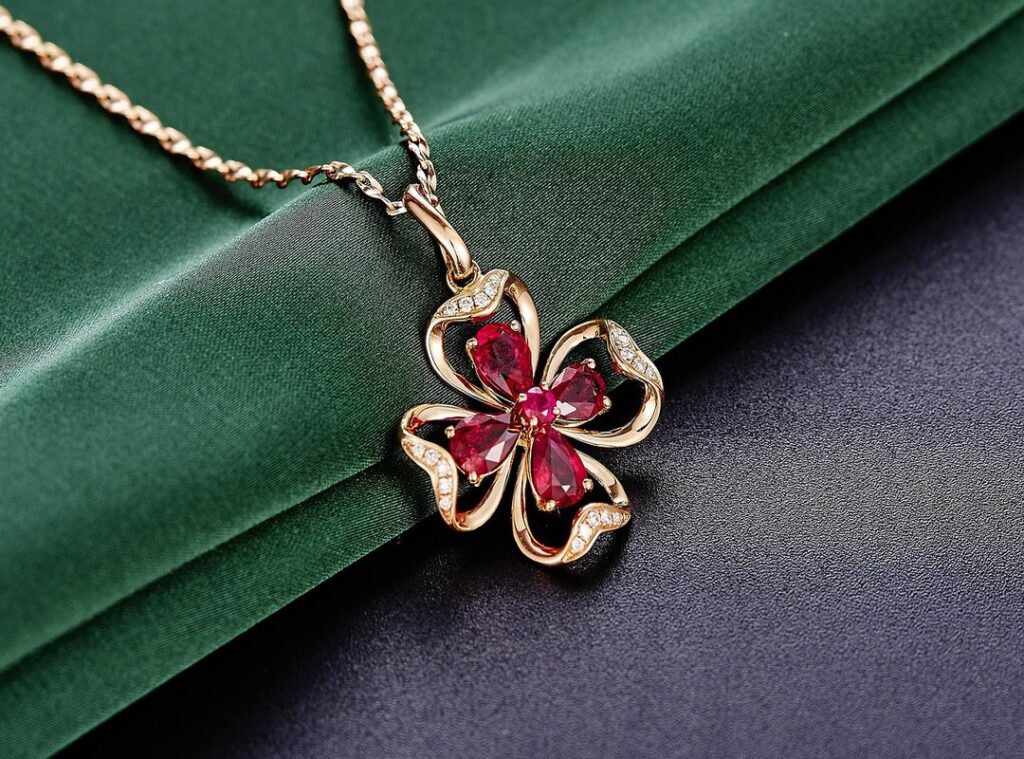
Stuck on that one last clue in your Danish crossword? I get it. It’s frustrating when the rest of the puzzle is done, but you’re stuck on pendant krydsord.
Don’t worry. This guide will give you the exact translation and explain the different contexts.
Danish has a few words for “pendant,” depending on if it’s jewelry, lighting, or something else. By the end of this, you’ll have the word you need. And you’ll be better at solving similar clues next time.
Understanding these nuances is key to becoming a more skilled crossword solver. Let’s dive in.
Your Direct Answer: Translating ‘Pendant’ for Your Puzzle
If you’re looking for the most common Danish word for a jewelry pendant, it’s Vedhæng. It’s pronounced something like “vay-hang.”
Vedhæng literally means ‘attachment’ or ‘thing that hangs from,’ which makes it perfect for describing those lovely pieces on necklaces.
For a pendant light fixture, the primary Danish word is Pendel. It’s very similar to the English word, making it easy to remember.
There’s also a more conceptual translation for ‘pendant’ meaning a counterpart or equivalent: Modstykke. This one is a bit more abstract but useful in certain contexts.
- English Word: Pendant
- Danish Translation:
- Vedhæng (Jewelry)
- Pendel (Lighting)
- Modstykke (Concept)
Check the letter count in your pendant krydsord to see which of these options fits best. Trust me, it can make all the difference in solving that puzzle!
Why Context Matters: Choosing the Right Danish Word
When solving a crossword, context is king. You might think it’s all about memorizing words, but that’s only part of the story.
Take a clue like ‘Smykke om halsen’ (Jewelry around the neck). It points directly to ‘Vedhæng’. If you were just guessing, you might miss it.
But the context in the clue guides you.
Similarly, ‘Loftslampe’ (Ceiling lamp) would strongly suggest the answer is ‘Pendel’. The clue gives you a clear picture, and you can fill in the word with confidence.
- Look at the Clue: Understand what the clue is asking.
- Consider the Context: Think about the meaning and the setting.
- Check Intersecting Words: A single confirmed letter can instantly eliminate one of the possible answers.
Sometimes, the clues are more abstract. For example, ‘Matchende del’ (Matching part) would lead to ‘Modstykke’. Here, you need to think about how parts fit together, not just the literal meaning.
Some people argue that crosswords are just about memorization. But that’s a limited view. Sure, knowing words helps, but understanding how they relate to each other is key.
Being a good crossword solver is less about memorization and more about understanding context and word relationships. When you see ‘pendant krydsord’, for instance, you know it’s related to a hanging light or a piece of jewelry, depending on the context.
So, next time you’re stuck, remember: context is your best friend.
Beyond ‘Pendant’: Essential Danish Jewelry and Lighting Vocabulary
When you’re tackling Danish crosswords, knowing a few key terms can make a huge difference. Let’s start with some common jewelry-related words.
Halskæde means necklace. It might be clued as something you wear around your neck. Simple, right?
Armbånd is bracelet. Think of it as an accessory for your wrist. Clues often hint at its location on the body.
Ørering translates to earring. You’ll likely see clues that mention ears or piercings.
Ring is, well, a ring, and often, clues will reference fingers or marriage. pendant krydsord
Smykke is a general term for jewelry. It could be any piece, so clues might be broader, like “adornment” or “accessory.”
Now, let’s move on to lighting-related terms.
Lampe means lamp. Clues might describe it as a light source in a room.
Lys is light. This one can be tricky because it’s a broad term. Clues might use words like “illumination” or “brightness.”
Pære is a lightbulb. Clues might refer to it as the part you screw into a lamp.
Lampeskærm is a lampshade. Clues might describe it as the cover that diffuses light.
Building these vocabulary clusters is a powerful technique for improving puzzle-solving speed and accuracy. Instead of just memorizing individual words, you’re creating a network of related terms. This makes it easier to recognize patterns and fill in those tricky crossword squares.
A simple practice exercise is to create flashcards or a small personal dictionary of common crossword terms. Write the Danish word on one side and the English translation on the other. Test yourself regularly.
You might think that pendant krydsord is all you need to know. But trust me, expanding your vocabulary with these related terms will give you a significant edge.
Master Any Puzzle: Pro Tips for Solving Crosswords in Another Language

Solving crosswords in another language can be a fun and rewarding challenge. It’s not just about knowing the vocabulary; it’s about using smart strategies to crack the puzzle.
Always start with the shortest words and fill-in-the-blank clues. They are often the easiest to solve and can give you a quick win to build momentum.
Pay close attention to grammar. For instance, in Danish, look for clues that indicate plural forms (often ending in -er or -e) or definite articles. This can help you narrow down your options and make more accurate guesses.
Use a reliable online dictionary or translation tool. However, be wary of tools that don’t provide context. Cross-reference if you’re unsure.
A good tool can be a lifesaver, but it’s not a substitute for critical thinking.
Don’t be afraid to guess and erase. Use a pencil or solve online to allow for trial and error. Every mistake is a learning opportunity.
Every puzzle solved, even with help, builds your knowledge for the next one. The more you practice, the better you’ll get at solving pendant krydsord and other foreign-language puzzles.
Solve Your ‘Pendant’ Clue and Conquer Your Next Crossword
Vedhæng is the term for jewelry, Pendel refers to lighting, and Modstykke is used for a counterpart.
The most important factor in finding the right answer in a crossword puzzle is context.
You now have not just an answer, but a full toolkit of related words and strategies.
Now, go back to your puzzle with confidence and fill in that blank square!
 Head of Content & Lifestyle Strategist
Ask Williamen Glaseroller how they got into home solutions and fixes and you'll probably get a longer answer than you expected. The short version: Williamen started doing it, got genuinely hooked, and at some point realized they had accumulated enough hard-won knowledge that it would be a waste not to share it. So they started writing.
What makes Williamen worth reading is that they skips the obvious stuff. Nobody needs another surface-level take on Home Solutions and Fixes, Smart Living Hacks, Lifestyle Organization Strategies. What readers actually want is the nuance — the part that only becomes clear after you've made a few mistakes and figured out why. That's the territory Williamen operates in. The writing is direct, occasionally blunt, and always built around what's actually true rather than what sounds good in an article. They has little patience for filler, which means they's pieces tend to be denser with real information than the average post on the same subject.
Williamen doesn't write to impress anyone. They writes because they has things to say that they genuinely thinks people should hear. That motivation — basic as it sounds — produces something noticeably different from content written for clicks or word count. Readers pick up on it. The comments on Williamen's work tend to reflect that.
Head of Content & Lifestyle Strategist
Ask Williamen Glaseroller how they got into home solutions and fixes and you'll probably get a longer answer than you expected. The short version: Williamen started doing it, got genuinely hooked, and at some point realized they had accumulated enough hard-won knowledge that it would be a waste not to share it. So they started writing.
What makes Williamen worth reading is that they skips the obvious stuff. Nobody needs another surface-level take on Home Solutions and Fixes, Smart Living Hacks, Lifestyle Organization Strategies. What readers actually want is the nuance — the part that only becomes clear after you've made a few mistakes and figured out why. That's the territory Williamen operates in. The writing is direct, occasionally blunt, and always built around what's actually true rather than what sounds good in an article. They has little patience for filler, which means they's pieces tend to be denser with real information than the average post on the same subject.
Williamen doesn't write to impress anyone. They writes because they has things to say that they genuinely thinks people should hear. That motivation — basic as it sounds — produces something noticeably different from content written for clicks or word count. Readers pick up on it. The comments on Williamen's work tend to reflect that.