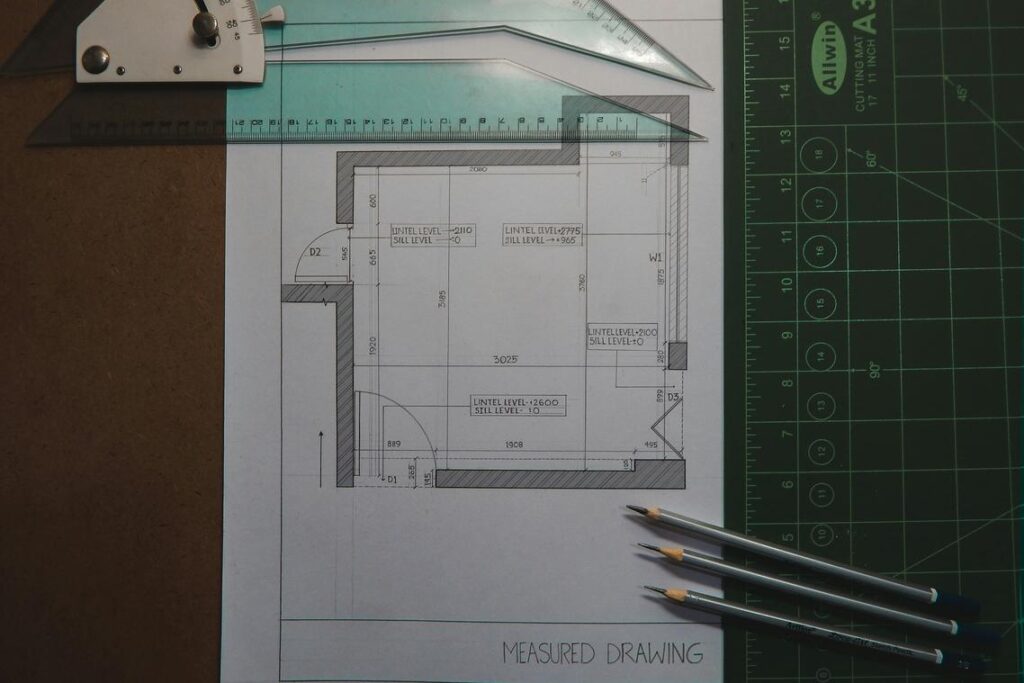

Looking for practical ways to simplify your space, organize your life, and make your home work smarter—not harder? This article is designed to give you clear, actionable solutions for everyday living. Whether you’re tackling clutter, planning a DIY renovation, or searching for smart home hacks that actually save time, you’ll find strategies that are realistic, affordable, and easy to apply.
We’ve analyzed proven home organization methods, tested DIY approaches, and reviewed expert-backed lifestyle strategies to ensure the advice here is both practical and reliable. From space-saving layouts to energy-efficient upgrades and minimalist living tips, every recommendation focuses on helping you create a home that feels calm, functional, and intentional.
If your goal is to simplify routines, maximize small spaces, and make confident home improvement decisions, this guide will walk you through exactly what works—and why it works—so you can start seeing results right away.
Finding Freedom in Simplicity: Your Practical Starting Guide
Feeling buried under clutter, notifications, and an overbooked calendar? You’re not lazy—you’re overloaded. Modern life quietly stacks obligations until your space, time, and focus feel hijacked.
This guide is practical, not philosophical. You’ll get clear steps rooted in proven organizational principles—systems that reduce decision fatigue (the mental drain from too many choices) and reclaim breathing room.
Start small:
- Clear one drawer today.
- Unsubscribe from five emails.
- Block 30 minutes of unscheduled time.
These minimalist living tips work because momentum builds confidence. Expect a roadmap toward calmer spaces, lighter schedules, and sharper focus—one manageable shift at a time.
The Mindset Shift: Defining What “Simple” Means to You”
What if “simple” doesn’t mean less—but BETTER?
Minimalism isn’t about deprivation. It’s about alignment. Instead of asking, “What should I get rid of?” ask, “What actually matters to me?” Have you ever wondered why you feel busy yet oddly unfulfilled? Sound familiar?
Start with a Values Audit. Write down your top five core values—family time, creativity, financial freedom, health, faith, growth. No filters. No “shoulds.” Just truth.
Now bridge the gap. Look at your:
• Possessions
• Commitments
Do they support those values—or compete with them? That gym membership you never use. The streaming subscriptions you forgot about. The meetings that drain your energy (we all have one).
Here’s the shift: simplicity is a tool. When you use minimalist living tips with intention, you create space for what feels like a rich life to YOU.
So ask yourself: If your calendar and closet reflected your values, what would change today?
Tackling the Physical Clutter: A Practical, Overwhelm-Free Method
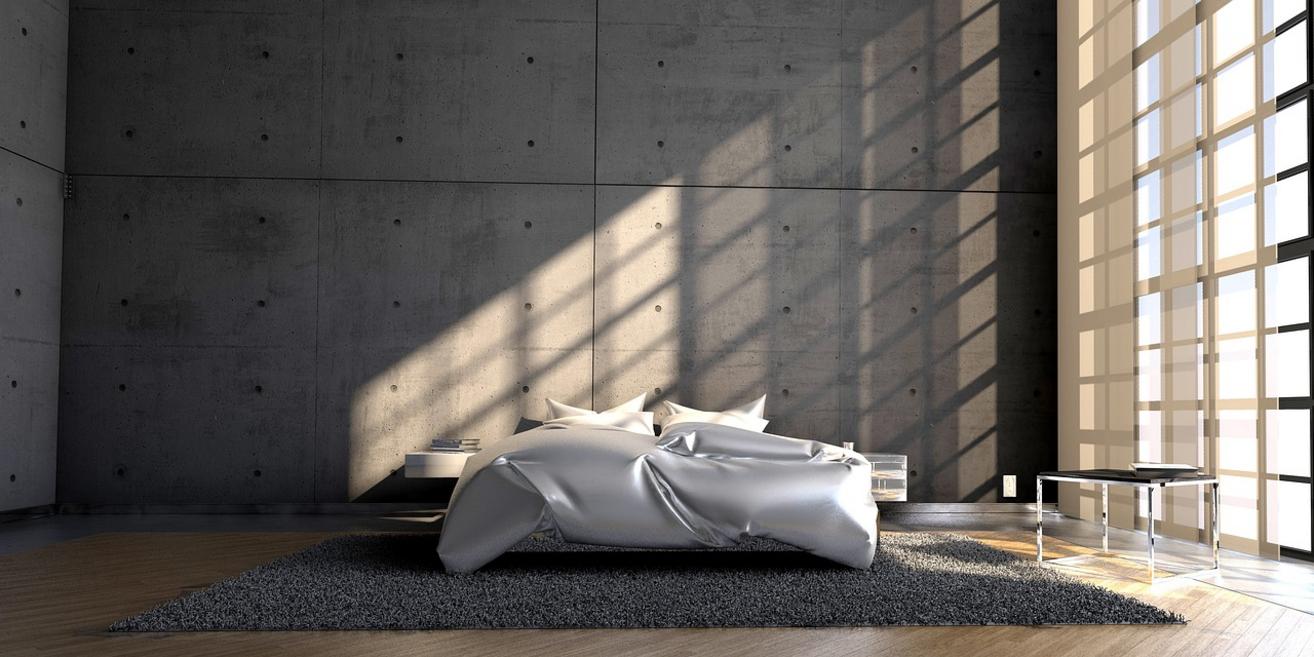
Clutter has a sneaky way of expanding (like laundry that somehow multiplies overnight). The good news? You don’t need a weekend marathon to fix it.
Start with The Four-Box Method: Keep, Donate/Sell, Trash, Relocate. Keep means it serves a real purpose. Donate/Sell covers items in good condition but no longer useful to you. Trash is self-explanatory. Relocate is for things that belong elsewhere. This system works because it forces decisions instead of vague “I’ll deal with it later” piles.
Start Small to Build Momentum
Begin with a low-emotion space like a junk drawer or bathroom cabinet. Small wins create visible progress, and progress builds motivation (science backs this—behavioral research shows quick wins reinforce habits).
For closets, ask three questions:
- Have I used it in the last year?
- Does it fit my current lifestyle?
- Does it make me feel confident?
If the answer is mostly no, it’s likely clutter.
Some argue you should declutter all at once for a dramatic reset. That can work—but for most people, it leads to burnout. A steadier approach is more sustainable.
Looking ahead, minimalist living tips and functional spaces will likely become even more popular as homes double as offices and retreats. The goal isn’t sterile emptiness—it’s calm, usable space. Focus on progress, not perfection.
Decluttering Your Digital World for a Calmer Mind
Digital clutter—overflowing inboxes, nonstop notifications, endless scrolling—creates constant cognitive load. In fact, a University of California, Irvine study found it takes an average of 23 minutes to refocus after a distraction. Multiply that by dozens of daily pings, and it’s no wonder your brain feels fried.
So, start with a simple Digital Detox checklist. First, unsubscribe ruthlessly from marketing emails (yes, even that store you might shop at). Next, turn off all non-essential app notifications—research from Deloitte shows people check their phones over 50 times per day. Finally, curate your social feeds so they inspire rather than drain.
Use minimalist living tips digitally, too. Create clear folders like “Finances 2024,” “Work Projects,” and “Personal Photos.” A logical system reduces search time and stress.
Most importantly, set boundaries. Designate no-phone zones or hours. For a deeper reset, explore how to build a personal organization system that sticks.
Simplifying your schedule starts with one truth: time is your most valuable non-renewable resource. Money returns. Energy sometimes rebounds. Hours do not. I learned this the hard way after saying yes to every project, dinner, and “quick call.” By Friday, I was exhausted and resentful (not exactly the productivity hack I imagined).
Think in terms of an Energy Budget—the finite amount of mental, emotional, and physical fuel you have each week. Every commitment has a cost. Ask: is the return on investment worth it?
When declining, keep it simple:
• “Thank you for thinking of me, but I’m unable to commit to that right now.”
• “I appreciate the invite, but I need to pass this time.”
Lifestyle Organization Tip: Do a weekly calendar review. Cross out one non-essential task. Use minimalist living tips in the section once exactly as it is given. Protect your time like it’s irreplaceable—because it is.
Building Lasting Habits: How to Stop Clutter from Returning
Decluttering isn’t a one-time purge; it’s a shift in behavior. In other words, it’s less about tossing things out and more about changing what comes in. That’s where two simple rules help clarify the process.
First, the “One In, One Out” rule means exactly what it sounds like: for every new item—like clothing or books—you remove one. This keeps your total volume steady (think of it as a closet budget).
Second, the “30-Day Wait” rule applies to non-essential purchases over a set amount. You wait 30 days before buying. If you still want it after the pause, it’s likely intentional—not impulse.
Now, consider this: could that money fund a class or day trip instead? Experiences create memories; possessions require storage.
Ultimately, shopping becomes a deliberate act—bringing home only what’s useful or truly beautiful. That’s the heart of minimalist living tips and lasting order.
Your Path Forward to an Intentional Life
A simpler life isn’t a fantasy—it’s a series of small, repeatable choices. When your home, calendar, and inbox overflow with things that don’t reflect your values, life feels unmanageable (like juggling groceries you didn’t even want). The fix isn’t dramatic—it’s deliberate.
Intentional curation creates breathing room.
Focus on features that drive real change:
- Clear one shelf to create visible calm.
- Unsubscribe from five email lists to reduce digital noise.
- Block one evening for rest or creativity.
These minimalist living tips work because they’re specific and doable. Choose one action today—and start reclaiming space for joy and peace.
Create a Home That Works for You
You came here looking for practical ways to simplify your space and make everyday living easier. Now you have actionable strategies to declutter with purpose, organize efficiently, and apply minimalist living tips that actually fit real life.
The truth is, clutter isn’t just about “stuff.” It drains your focus, wastes your time, and adds unnecessary stress to your day. When your home works against you, everything feels harder than it should.
The good news? Small, intentional changes create lasting impact. By applying these smart organization methods and simple DIY upgrades, you can turn your space into one that supports your lifestyle instead of overwhelming it.
If you’re ready to stop feeling frustrated by your home and finally enjoy a calm, functional space, start implementing one tip today. Don’t wait for the “perfect time.” Take action now, simplify one area, and build momentum from there.
Thousands of readers trust our proven home solutions and smart living strategies to transform their spaces. Explore more expert-backed tips, put them into action, and create a home that truly works for you.
 Head of Content & Lifestyle Strategist
Ask Williamen Glaseroller how they got into home solutions and fixes and you'll probably get a longer answer than you expected. The short version: Williamen started doing it, got genuinely hooked, and at some point realized they had accumulated enough hard-won knowledge that it would be a waste not to share it. So they started writing.
What makes Williamen worth reading is that they skips the obvious stuff. Nobody needs another surface-level take on Home Solutions and Fixes, Smart Living Hacks, Lifestyle Organization Strategies. What readers actually want is the nuance — the part that only becomes clear after you've made a few mistakes and figured out why. That's the territory Williamen operates in. The writing is direct, occasionally blunt, and always built around what's actually true rather than what sounds good in an article. They has little patience for filler, which means they's pieces tend to be denser with real information than the average post on the same subject.
Williamen doesn't write to impress anyone. They writes because they has things to say that they genuinely thinks people should hear. That motivation — basic as it sounds — produces something noticeably different from content written for clicks or word count. Readers pick up on it. The comments on Williamen's work tend to reflect that.
Head of Content & Lifestyle Strategist
Ask Williamen Glaseroller how they got into home solutions and fixes and you'll probably get a longer answer than you expected. The short version: Williamen started doing it, got genuinely hooked, and at some point realized they had accumulated enough hard-won knowledge that it would be a waste not to share it. So they started writing.
What makes Williamen worth reading is that they skips the obvious stuff. Nobody needs another surface-level take on Home Solutions and Fixes, Smart Living Hacks, Lifestyle Organization Strategies. What readers actually want is the nuance — the part that only becomes clear after you've made a few mistakes and figured out why. That's the territory Williamen operates in. The writing is direct, occasionally blunt, and always built around what's actually true rather than what sounds good in an article. They has little patience for filler, which means they's pieces tend to be denser with real information than the average post on the same subject.
Williamen doesn't write to impress anyone. They writes because they has things to say that they genuinely thinks people should hear. That motivation — basic as it sounds — produces something noticeably different from content written for clicks or word count. Readers pick up on it. The comments on Williamen's work tend to reflect that.