
A slow-draining or completely blocked sink can instantly throw off your entire day. Water pools, odors creep up, and even simple tasks like washing dishes become frustrating. You need a fast, effective fix—but harsh chemical drain cleaners can corrode pipes and introduce toxins into your home and the environment. The good news? You can unclog sink naturally using simple, proven methods backed by basic science and common household ingredients. These home-tested solutions are safe, practical, and powerful. In this guide, you’ll get clear, step-by-step instructions to clear stubborn clogs and keep your drains flowing freely without relying on toxic chemicals.
Before You Begin: Essential Prep for Success
While you’re exploring DIY methods to unclog your sink naturally, don’t forget that just like choosing the right remedies for your plumbing, the direction your garden faces can significantly impact its growth and vitality, a topic covered in our article on “Which Direction Should Your Garden Face Kdalandscapetion.
Before you reach for baking soda or vinegar, pause. I once skipped the prep and poured everything into a sink full of murky water—big mistake. The mixture barely touched the clog (lesson learned: dilution is not your friend). First, remove any standing water using a cup or small bowl so your natural ingredients can work directly on the blockage.
Next, take out the drain stopper or strainer. More often than not, that’s the real culprit—usually tangled with hair and coated in soap scum. Clean it thoroughly before putting it back.
Then, as a quick diagnostic step, bend a wire hanger or use pliers to gently probe the drain opening. You’d be surprised how often you can pull out a stubborn hair clump right away.
Finally, wear rubber gloves. Even without harsh chemicals, this can get messy. A little preparation now makes it far easier to unclog sink problems efficiently later.
The Go-To Method: Baking Soda and Vinegar Power

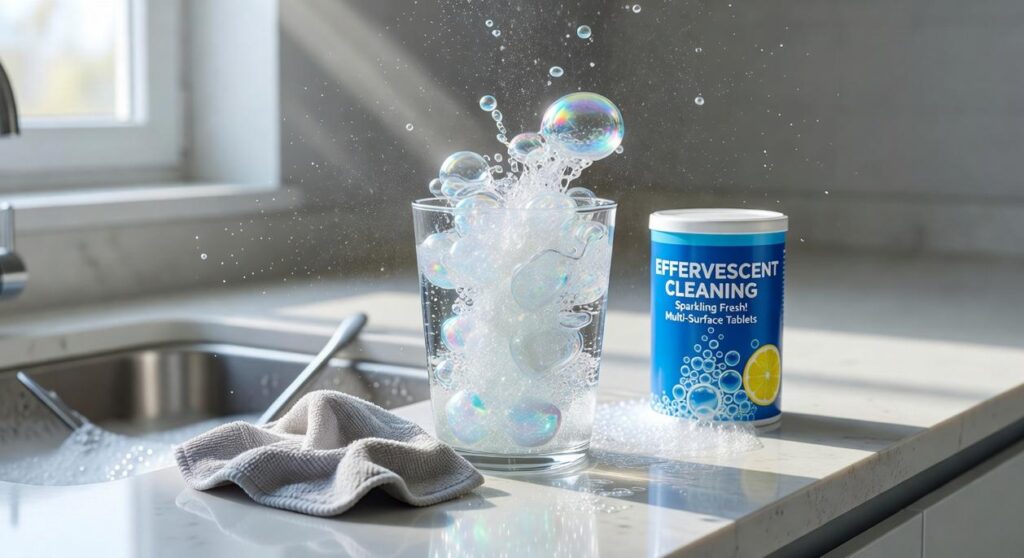
If you’ve ever poured baking soda and vinegar down a drain and watched it fizz like a middle school volcano experiment, you’ve seen chemistry in action. But what’s actually happening?
Here’s the simple version. Baking soda is a base (a substance that neutralizes acids). Vinegar is an acid (a substance that reacts with bases). When they meet, they create carbon dioxide gas—the same gas that makes soda bubbly. That fizzing reaction produces pressure and agitation, which helps loosen soft clogs like grease, soap residue, and food buildup. It doesn’t “dissolve” pipes or magically melt solid objects; instead, it physically disrupts the gunk so it can wash away.
Follow these steps carefully:
- Start by pouring a full kettle of boiling water down the drain to loosen greasy buildup.
- Pour one-half cup of baking soda directly into the drain opening.
- Immediately follow with one-half cup of white vinegar.
- Quickly cover the drain with a plug or wet rag to trap the reaction below the surface, forcing it downward.
- Let it sit for at least 30 minutes (up to an hour for stubborn clogs).
- Flush with another full kettle of boiling water.
This method works best for minor blockages. If you’re trying to unclog sink pipes packed with hair or hard debris, you may need a mechanical tool instead. Think of this as a gentle nudge—not a superhero rescue (though it’s pretty satisfying to watch).
For Tough Grease: The Salt and Hot Water Flush
When your drain slows to a stubborn crawl, grease is usually the culprit. Fats, oils, and food residue cool inside pipes, solidify, and cling to the walls like candle wax. Salt works here because it’s both an abrasive (a gritty substance that scrapes buildup) and a dehydrating agent (it draws moisture out of sludge, helping break it apart). Combined with boiling water, it becomes a SIMPLE but POWERFUL scouring brine.
Here’s the process:
- Pour about a half-cup of table salt directly into the clogged drain.
- Follow with a full kettle of boiling water.
- The hot, salty solution dissolves grease and scrubs pipe walls as it flows down.
- Let it sit for 15–20 minutes, then flush with hot tap water.
Some argue salt is “too basic” compared to chemical cleaners. True, it’s not instant. But chemical drain openers can corrode pipes over time (EPA warns about harsh drain cleaners contributing to plumbing damage and environmental harm). Salt and heat? Low-risk and EFFECTIVE.
Power-up tip: Mix a half-cup of salt with a half-cup of baking soda before adding boiling water for extra breakdown power.
Use this method to unclog sink lines naturally before reaching for harsher options. And while you’re improving home fixes, learn how to stop doors from squeaking and sticking.
When Natural Methods Aren’t Enough
Natural solutions are powerful, affordable, and safe for most organic clogs—think hair, soap scum, grease, or food buildup. That means when they work, you save money, avoid harsh chemicals, and keep your plumbing healthier long term (which is a win all around). However, it’s important to set realistic expectations. These methods will not dissolve solid objects like a child’s toy or a chunk of plastic. If that’s the culprit, no DIY mixture will magically unclog sink pipes.
So how do you know it’s something more serious? First, the clog doesn’t budge after two solid attempts. Second, water backs up in other drains, like the bathtub. Third, the sink clogs again almost immediately.
At that point, your next smart step is mechanical force: try a plastic drain snake or a standard cup plunger. Both are inexpensive and often solve the issue quickly. If problems keep returning, though, it may signal a blockage deeper in the main line—something best handled professionally.
Keep Your Drains Flowing for Good
You set out to fix a frustrating clog without harsh chemicals or expensive tools — and you did it. By choosing to unclog sink naturally, you cleared your drain using safe, affordable ingredients already in your home. That’s a win for your pipes and your wallet.
But the real secret isn’t just fixing clogs — it’s preventing them.
Make these simple habits part of your routine:
- Run hot water for 30 seconds after each use to flush away soap and grease.
- Use a mesh drain strainer to catch food scraps and hair before they enter the pipes.
- Never pour cooking grease or coffee grounds down the sink.
- Perform a monthly “maintenance flush” with the baking soda and vinegar method to prevent buildup.
Recurring clogs are messy, stressful, and costly. Stay ahead of the problem. For more smart, proven home hacks that save you time and money, explore our top-rated guides and start protecting your home today.
 DIY & Smart Living Specialist
Alico Erbyons has opinions about smart living hacks. Informed ones, backed by real experience — but opinions nonetheless, and they doesn't try to disguise them as neutral observation. They thinks a lot of what gets written about Smart Living Hacks, Knowledge Corner, Lifestyle Organization Strategies is either too cautious to be useful or too confident to be credible, and they's work tends to sit deliberately in the space between those two failure modes.
Reading Alico's pieces, you get the sense of someone who has thought about this stuff seriously and arrived at actual conclusions — not just collected a range of perspectives and declined to pick one. That can be uncomfortable when they lands on something you disagree with. It's also why the writing is worth engaging with. Alico isn't interested in telling people what they want to hear. They is interested in telling them what they actually thinks, with enough reasoning behind it that you can push back if you want to. That kind of intellectual honesty is rarer than it should be.
What Alico is best at is the moment when a familiar topic reveals something unexpected — when the conventional wisdom turns out to be slightly off, or when a small shift in framing changes everything. They finds those moments consistently, which is why they's work tends to generate real discussion rather than just passive agreement.
DIY & Smart Living Specialist
Alico Erbyons has opinions about smart living hacks. Informed ones, backed by real experience — but opinions nonetheless, and they doesn't try to disguise them as neutral observation. They thinks a lot of what gets written about Smart Living Hacks, Knowledge Corner, Lifestyle Organization Strategies is either too cautious to be useful or too confident to be credible, and they's work tends to sit deliberately in the space between those two failure modes.
Reading Alico's pieces, you get the sense of someone who has thought about this stuff seriously and arrived at actual conclusions — not just collected a range of perspectives and declined to pick one. That can be uncomfortable when they lands on something you disagree with. It's also why the writing is worth engaging with. Alico isn't interested in telling people what they want to hear. They is interested in telling them what they actually thinks, with enough reasoning behind it that you can push back if you want to. That kind of intellectual honesty is rarer than it should be.
What Alico is best at is the moment when a familiar topic reveals something unexpected — when the conventional wisdom turns out to be slightly off, or when a small shift in framing changes everything. They finds those moments consistently, which is why they's work tends to generate real discussion rather than just passive agreement.