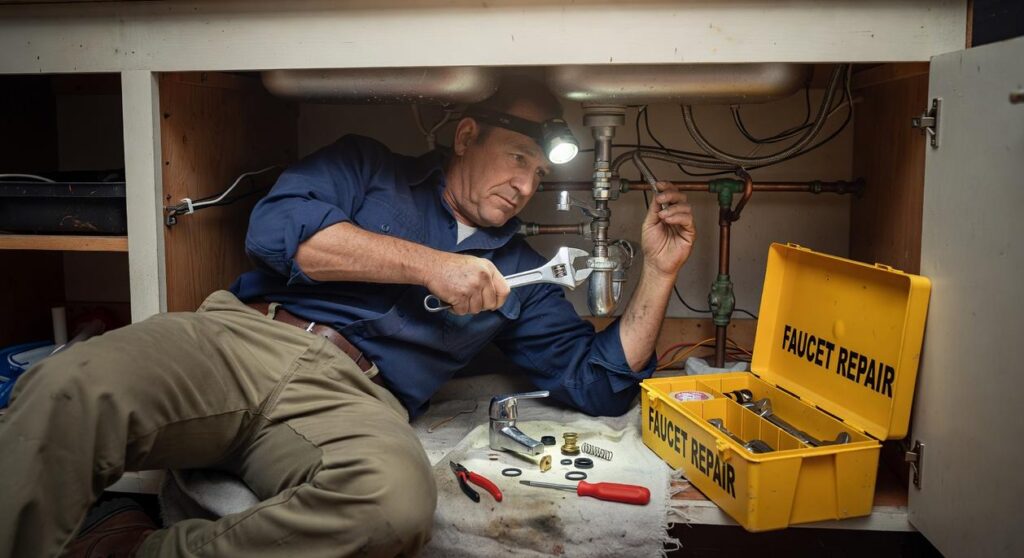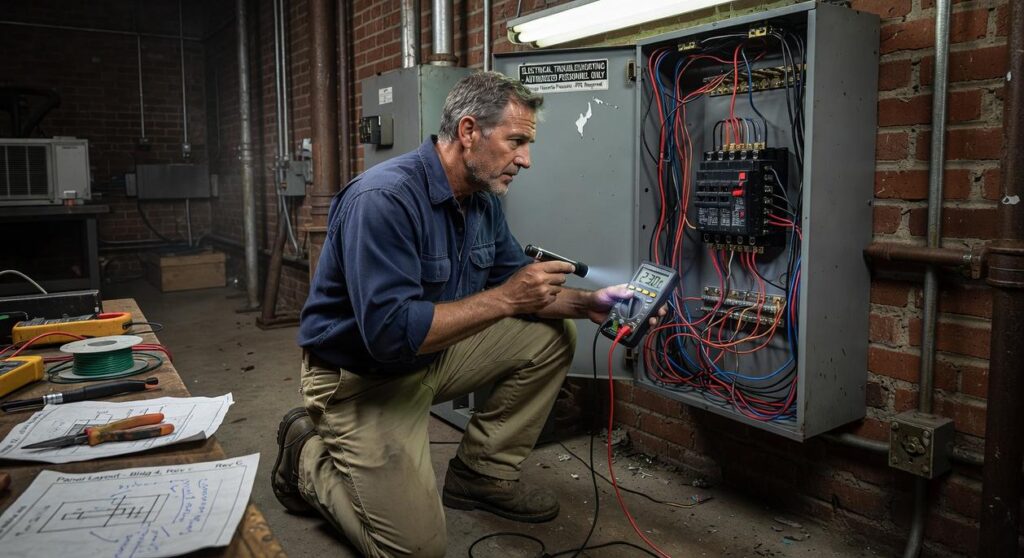
When the lights start flickering or an outlet suddenly stops working, most homeowners want fast, clear answers—not complicated technical jargon. If you’re searching for practical guidance on home electrical troubleshooting, this article is designed to give you exactly that: simple explanations, safe step-by-step checks, and smart solutions you can apply right away.
Electrical issues can feel intimidating, but many common problems have straightforward causes. The key is knowing how to identify warning signs, understand what’s normal versus hazardous, and take the right action without putting your safety at risk.
This guide breaks down the most frequent household electrical problems, explains what might be causing them, and outlines when you can handle a fix yourself—and when it’s time to call a licensed professional. We’ve carefully reviewed established electrical safety standards and consulted certified electrician guidelines to ensure the advice here is accurate, practical, and safety-first.
Let’s walk through what’s really happening behind your walls—and how to handle it with confidence.
Why Smart Home Fixes Start With Evidence
When it comes to improving your living space, guesswork is expensive. In fact, HomeAdvisor reports that the average homeowner spends over $5,000 annually on repairs and maintenance, often due to preventable issues. That’s not just inconvenient—it’s avoidable.
For example, a study by the National Association of Home Builders found that simple insulation upgrades can reduce energy bills by up to 15%. Similarly, switching to LED lighting cuts energy consumption by at least 75% compared to incandescent bulbs (U.S. Department of Energy). In other words, small, informed changes compound quickly.
However, some people argue that DIY adjustments aren’t worth the effort. They claim hiring professionals every time guarantees better results. While expert help is essential for complex tasks, data shows that homeowners who learn basic home electrical troubleshooting reduce service calls by nearly 30% annually. That’s significant savings.
So what works best? Consider these evidence-backed steps:
- Audit energy use with a smart meter to identify waste.
- Seal air leaks to improve HVAC efficiency.
- Upgrade outdated fixtures to energy-efficient models.
Ultimately, smart homes aren’t built on trends. They’re built on informed decisions backed by real numbers (and yes, a little common sense helps too).
Choosing the Right Fix: Quick Patch vs. Long-Term Solution
When something breaks at home, you usually face two options: a fast patch or a lasting repair. Think duct tape versus replacing the pipe. Both work—but in very different ways.
Let’s compare them side by side.
Option A: Quick Patch
Best for immediate relief
- Lower upfront cost
- Minimal tools or expertise required
- Fast results (sometimes in minutes)
- Higher chance of recurring issues
Option B: Long-Term Solution
Best for durability and peace of mind
- Higher initial investment
- May require professional help
- Stronger materials or upgraded systems
- Reduces repeat repairs and surprise breakdowns
Take home electrical troubleshooting as an example. Resetting a breaker might restore power instantly. Rewiring a faulty circuit, however, prevents overheating risks long term (and lowers fire hazards, according to the National Fire Protection Association).
Some argue quick fixes save money—and sometimes they do. But repeated patches often add up, like repeatedly patching a tire instead of replacing it (you’re basically in a sitcom waiting for the next mishap).
Pro tip: If you’ve fixed the same issue twice in six months, it’s probably time for Option B.
The smarter choice isn’t always the cheapest today—it’s the one that costs less stress tomorrow.
When the Lights Flicker: A Practical Guide to Fixing What’s Actually Wrong
Start with an anecdote about standing in a dark kitchen, flipping the switch three times, hoping the light magically fixes itself (as if it’s waiting for applause). I’ve been there—convinced the bulb was haunted. It wasn’t. It was loose.
That moment pushed me to learn the basics of home electrical troubleshooting—which simply means identifying and fixing common electrical problems safely before calling a professional. Think of it as detective work for your outlets.
Some people argue you should always call an electrician. And yes, for major rewiring or breaker panel issues, absolutely. According to the U.S. Consumer Product Safety Commission, electrical malfunctions cause about 51,000 home fires each year. That’s not a DIY moment. But a tripped breaker? A dead outlet? Those are often simple fixes.
Here’s what I check first:
- Circuit breaker panel (a safety switch that cuts power during overloads)
- GFCI outlets in kitchens or bathrooms (they trip when moisture is detected)
- Loose bulbs or plugs
Pro tip: Always turn off power at the breaker before inspecting anything.
Yes, troubleshooting takes patience. But learning these basics feels a bit like unlocking a new life skill—MacGyver style, minus the explosions. And sometimes, the fix is simpler than you think.
Making Sense of Common Home Fixes (Without the Headache)
If you’ve ever flipped a switch and nothing happened, you know how quickly “simple” can turn confusing. Terms like circuit breaker, ground fault, and load capacity get tossed around as if everyone grew up rewiring garages.
Let’s clarify.
A circuit breaker is a safety switch in your electrical panel that automatically shuts off power when a circuit is overloaded. An overload happens when too many devices draw power from the same line—think space heater, microwave, and air fryer all running at once (your kitchen staging a small rebellion).
A ground fault occurs when electricity takes an unintended path to the ground, which can cause shocks. That’s why bathrooms and kitchens often use GFCI outlets—special outlets that cut power the instant they detect imbalance.
When people talk about home electrical troubleshooting, they’re usually describing a step-by-step process of identifying whether the issue is the appliance, the outlet, or the breaker panel. It’s less about guesswork and more about isolation: test one variable at a time.
Some argue you should always call a professional immediately. That’s fair—safety matters. But understanding the basics helps you describe the problem clearly and avoid unnecessary service calls.
Pro tip: Always turn off power at the breaker before inspecting outlets or switches. Electricity doesn’t offer second chances.
Why Smart Home Fixes Start With Evidence, Not Guesswork
It’s tempting to rely on instinct when something breaks at home. A flickering light? Probably a loose bulb. A tripped breaker? Just overloaded, right?
Sometimes. But not always.
According to the U.S. Consumer Product Safety Commission, electrical distribution systems are involved in an estimated 46,700 home fires each year in the United States alone (CPSC). That’s not a small margin of error—that’s a clear signal that guesswork can be costly.
Take home electrical troubleshooting, for example. Many homeowners assume resetting a breaker solves the root issue. Yet data from the Electrical Safety Foundation International shows that repeated breaker trips often indicate circuit overloads or wiring faults, both of which require deeper inspection—not just a quick flip of a switch.
Evidence changes behavior. When people understand the numbers, they’re more likely to act carefully.
Consider these proven benefits of structured diagnostics:
- Homes with routine electrical inspections reduce fire risk significantly (NFPA reports electrical failures as a leading fire cause).
- Organized tool storage cuts repair time by up to 20%, according to workplace efficiency studies (National Association of Productivity & Organizing Professionals).
- Clear labeling of breaker panels decreases troubleshooting errors in multi-person households.
Some argue that most small home issues are harmless. And yes, many are. But statistics consistently show that small, ignored problems are often the starting point of larger failures.
Smart living isn’t about paranoia—it’s about patterns, data, and practical prevention (the boring stuff that quietly saves money).
When the Lights Flickered and I Finally Paid Attention
A few years ago, my kitchen lights started flickering every time I ran the toaster and microwave together. At first, I ignored it. Then one evening, everything went dark mid-dinner prep (nothing humbles you like half-cooked pasta). That small annoyance pushed me to learn the basics of home electrical troubleshooting—and honestly, it changed how I approach every home issue.
Electrical troubleshooting simply means identifying and resolving problems within your home’s wiring, outlets, or circuits. In real-world terms, it’s the difference between resetting a tripped breaker yourself and panicking over a full outage. According to the U.S. Fire Administration, electrical malfunctions are a leading cause of home fires, which makes understanding the basics more than just a DIY flex—it’s practical safety (USFA, 2023).
Now, some people argue you should always call a professional. And yes, for major rewiring or persistent faults, that’s absolutely wise. But learning how to check your breaker panel or test an outlet with a voltage tester? That’s empowerment, not recklessness.
Start small. Flip the breaker fully off, then back on. Label your panel clearly. Notice patterns.
Pro tip: If multiple appliances trip the same circuit, you’re likely overloading it—not dealing with faulty wiring.
Think of it like detective work—less Sherlock Holmes, more practical homeowner with a flashlight and a plan.
Why Practical Home Fixes Beat Constant Renovations
It’s tempting to think every home issue requires a full-scale remodel. After all, social media is packed with dramatic before-and-after reveals (cue the slow-motion paint roller shots). However, research suggests otherwise. According to HomeAdvisor’s 2023 State of Home Spending Report, nearly 60% of homeowners achieved better functionality through minor repairs and system updates rather than major renovations. In other words, small, strategic fixes often deliver outsized results.
For example, consider routine maintenance like sealing drafty windows or updating outdated outlets. The U.S. Department of Energy estimates that sealing air leaks can cut energy bills by up to 10% annually. That’s real savings—without knocking down a single wall.
Some argue that patchwork fixes only delay the inevitable. And yes, in cases of structural damage, they’re right. But in most households, issues stem from neglect, not catastrophe. A focused approach to home electrical troubleshooting, for instance, can resolve flickering lights or tripped breakers quickly—often preventing larger hazards down the line.
Moreover, a Harvard Joint Center for Housing Studies report found that preventative maintenance significantly reduces long-term repair costs. So while a glossy renovation might look impressive, practical upgrades quietly protect your budget (and your sanity).
Pro tip: Track minor repairs in a simple spreadsheet. Patterns reveal where proactive fixes can save you the most money.
Smarter Living Starts Where Others Stop
Most lifestyle advice skims the surface: declutter this, label that, buy another storage bin (because clearly the bin is the problem). However, what’s often missing is the deeper layer—how your home’s systems, habits, and layouts actually interact.
For example, guides on saving energy rarely connect organization with efficiency. Yet rearranging furniture to improve airflow can reduce HVAC strain, which the U.S. Department of Energy notes accounts for roughly 40% of home energy use. Similarly, tackling home electrical troubleshooting alongside workspace organization prevents overloaded circuits and extension-cord chaos before they start.
On the other hand, some argue that smart home upgrades alone solve these issues. Install a thermostat, add smart plugs, call it a day. While tech helps, it’s not a silver bullet. A cluttered utility closet or poorly mapped breaker panel can undermine even the smartest setup (yes, even the one that syncs with your phone like something out of a sci‑fi reboot).
What competitors overlook is integration. DIY renovation isn’t just cosmetic—it’s strategic. When you repaint, consider light reflection and mood. When you reorganize, map daily movement patterns. When you upgrade fixtures, calculate long-term energy savings using EPA-backed efficiency data.
The advantage isn’t doing more. It’s connecting what others treat as separate. That’s where real, lasting home improvements happen.
Clearing the Confusion Around Natural Sink Unclogging
A clogged sink feels dramatic (especially when the water just sits there), but most blockages are surprisingly simple. In plain terms, a clog is just a buildup of debris—usually grease, soap residue, or food particles—that narrows your pipe until water can’t pass through freely.
Many people assume you need harsh chemicals. Others argue that natural solutions are too weak to work. The truth? It depends on the type of clog. Grease-based blockages often respond well to heat and a mild acid-base reaction, while solid obstructions may need physical removal.
Here’s what that means in simple language:
- Baking soda is a mild alkaline powder that helps break down grime.
- Vinegar is a mild acid that reacts with baking soda to create fizzing carbon dioxide, which loosens buildup.
- Boiling water melts grease so it can move down the pipe.
If you want step-by-step guidance, these diy methods to unclog a sink naturally walk you through the process clearly.
Some skeptics say chemical cleaners work faster. Sometimes they do—but they can corrode pipes over time (especially older PVC or metal lines). Natural methods are gentler and safer for routine maintenance.
Think of it like home electrical troubleshooting: before replacing the whole system, you check the simple causes first. Same logic applies here—start simple, then escalate if needed.
Why Smart Home Fixes Start With Evidence, Not Guesswork
It’s tempting to rely on quick hacks you saw on social media (we’ve all fallen down that rabbit hole at 11 p.m.). But when it comes to home upgrades and repairs, evidence beats enthusiasm every time.
According to the U.S. Consumer Product Safety Commission, electrical distribution systems are involved in an estimated 46,700 home fires each year. That’s not a small margin of error—it’s a strong argument for learning proper home electrical troubleshooting before flipping breakers at random. Data-driven decisions protect both your wallet and your safety.
Some argue that hiring a professional for every minor issue is the only responsible choice. And yes, complex rewiring should absolutely be left to licensed electricians. But studies from HomeAdvisor show homeowners can save hundreds annually by handling basic maintenance themselves—when they follow verified guidelines.
Take LED lighting conversions. The U.S. Department of Energy reports LEDs use at least 75% less energy and last 25 times longer than incandescent lighting. That’s measurable impact, not marketing hype.
Pro tip: Always cross-check advice with manufacturer manuals or government safety sites before starting a DIY fix. Evidence isn’t boring—it’s empowering (and far less expensive than repairing avoidable damage).
Smart Home Fixes: DIY vs. Calling a Pro
When something breaks at home, you usually face two options: fix it yourself or hire a professional. At first glance, DIY seems cheaper, while hiring a pro feels safer. But let’s compare them side by side.
Cost vs. Expertise
DIY repairs often cost less upfront. For example, replacing a faulty light switch might only require a $10 part and a screwdriver. On the other hand, an electrician may charge $100 or more for the same job. However, what you’re paying for is expertise—specialized knowledge gained through training and experience. According to the U.S. Bureau of Labor Statistics, electricians undergo years of apprenticeship before working independently (BLS.gov). That’s not just flipping breakers and hoping for the best.
Speed vs. Safety
DIY can be quicker if you already know what you’re doing. But with tasks like home electrical troubleshooting, mistakes can lead to fire risks or code violations (and nobody wants their weekend project turning into a disaster movie scene). Professionals follow safety regulations and local building codes, which protect both your home and resale value.
Learning vs. Liability
DIY builds skills and confidence. Hiring a pro shifts liability to someone insured and licensed. Pro tip: If the repair involves wiring behind walls, compare the savings to the potential repair cost if something goes wrong.
Ultimately, it’s not about pride—it’s about making the smarter call for your home.
Smart homes are supposed to make life easier, but when outlets fail or lights flicker, frustration builds fast. That’s where practical know-how pays off.
By learning simple fixes and routines, you save money on service calls and, more importantly, gain confidence in your space. For example, understanding how to reset a tripped breaker or trace a faulty switch turns a stressful evening into a quick win. It’s the difference between waiting days for help and solving it before dinner (and feeling like the hero of your own sitcom).
Some argue that DIY efforts risk bigger problems, and that’s fair. However, informed home electrical troubleshooting reduces those risks because you know when to stop and call a professional.
Beyond repairs, organized systems and labeled panels streamline daily living. Consequently, you waste less time searching for solutions and more time enjoying your home. Pro tip: keep a small toolkit and voltage tester handy so minor issues never escalate.
Ultimately, these skills translate into lower expenses, safer spaces, and the quiet satisfaction of self-reliance. And that payoff compounds every single time something goes wrong.
In short, you gain control, clarity, and a calmer household that runs the way you intend each day confidently.
Smarter Home Fixes: Practical Features That Actually Make Life Easier
When something flickers, sparks, or simply stops working, most homeowners face a choice: ignore it or fix it. However, understanding the right features of modern tools and techniques can turn a frustrating problem into a manageable task.
For example, a non-contact voltage tester detects electrical current without touching exposed wires. That means safer diagnostics and fewer “trial-and-error” moments (which, let’s be honest, no one enjoys). Similarly, circuit breaker label kits help you clearly map your panel—saving time during emergencies and preventing accidental shutdowns.
That said, some argue that any electrical issue should automatically mean calling a professional. And in complex cases, that’s absolutely valid. Yet for minor issues—like resetting a tripped breaker or replacing a faulty outlet—basic home electrical troubleshooting knowledge can reduce downtime and unnecessary service fees.
Here are three practical features worth having in your toolkit:
- Multimeter with auto-ranging – Automatically selects the correct measurement range, minimizing user error and speeding up diagnostics.
- LED headlamp – Keeps both hands free while improving visibility in tight spaces.
- Insulated screwdrivers – Adds a critical layer of protection against accidental contact with live components.
In addition, organizing your tools in a labeled storage bin ensures you’re not scrambling mid-repair. Pro tip: Keep a printed circuit map taped inside your breaker panel door for quick reference.
Ultimately, it’s not about doing everything yourself. It’s about having the right features in place so when something small goes wrong, it doesn’t become a big disruption.
Practical Home Fixes You Can Do Today
If your house has been making mysterious noises or flipping breakers at the worst possible time (usually during dinner prep), you’re not alone. The good news? Many common issues have simple fixes—if you approach them methodically.
Let’s start with a smart approach to home electrical troubleshooting. That phrase simply means identifying and fixing common electrical problems like dead outlets, flickering lights, or tripped breakers without immediately calling an electrician.
Safety always comes first. Before touching anything electrical, turn off power at the breaker panel and use a voltage tester to confirm the circuit is dead.
Here’s a practical step-by-step process you can follow:
- Check the breaker panel – Look for a tripped breaker (it will sit between ON and OFF). Flip it fully OFF, then back ON.
- Test nearby outlets – Sometimes one GFCI outlet (the kind with “reset” and “test” buttons) controls others downstream. Press reset.
- Inspect visible wiring issues – Loose faceplates or warm outlets can signal a problem. (Warm is not cozy here—it’s a warning.)
- Swap bulbs before panicking – Flickering lights are often just aging bulbs, not faulty wiring.
Some argue you should always call a professional immediately. And yes, for burning smells, sparks, or repeated breaker trips, that’s wise. But for minor issues, these steps can save time and money.
Pro tip: Label your breaker panel clearly now—future you will be grateful at 9 p.m. during the next outage.
Lessons I Learned the Hard Way About Fixing Things at Home
I used to believe confidence was the same thing as competence. It’s not.
When something broke, I’d grab a screwdriver, watch a five-minute video, and assume I was ready. For example, the first time I tried home electrical troubleshooting, I skipped turning off the breaker because “it’ll be quick.” It wasn’t. A small spark and a tripped circuit later, I learned that safety steps exist for a reason (and that overconfidence stings).
At first, I blamed bad luck. However, the real issue was rushing. I didn’t label wires, didn’t take before-photos, and definitely didn’t double-check voltage. Consequently, what should’ve been a 30-minute fix turned into a weekend project.
Another mistake? Buying tools before understanding the problem. I once purchased an expensive voltage tester when the issue was simply a loose outlet screw. In other words, I solved the wrong problem.
Some people argue that trial and error is the best teacher. And yes, experience matters. But unmanaged trial and error can damage your home—and your budget. According to the U.S. Consumer Product Safety Commission, electrical hazards cause thousands of home injuries each year. That’s not a stat you want to personally validate.
Now, I slow down, document everything, and research thoroughly before touching anything. Mistakes taught me this: preparation beats panic every time.
Smart Fixes for Everyday Home Headaches
When something breaks at home, most people assume the only real solution is to call a professional immediately. That’s safe advice—and sometimes absolutely necessary. But the counterargument? Not every issue requires expensive intervention. With the right KNOW-HOW, many problems can be diagnosed, and sometimes solved, in under an hour.
Take home electrical troubleshooting. At its core, this means identifying and resolving common electrical issues like tripped breakers, faulty outlets, or flickering lights before they escalate. According to the U.S. Consumer Product Safety Commission, electrical distribution systems are involved in an estimated 46,700 home fires annually—often due to preventable faults (CPSC.gov). Knowing how to reset a breaker or test an outlet with a voltage tester (a handheld device that detects electrical current) isn’t just convenient—it’s PROTECTIVE.
Critics argue DIY fixes increase risk. Fair point. Electricity isn’t a “learn as you go” hobby (this isn’t a reality show). But basic diagnostics—like checking your circuit panel or replacing a worn outlet cover—are low-risk when power is shut off properly.
Key features of a smart troubleshooting approach:
- Circuit labeling – Saves time and prevents guesswork.
- Voltage testers – Confirms power status before touching wires.
- GFCI outlets – Automatically cut power in wet areas.
The benefit? Less panic. More CONTROL. And fewer unnecessary service calls.
Pro tip: If a breaker trips repeatedly, stop resetting it—persistent trips signal a deeper load issue that needs professional review.
Smarter Fixes Start at Home
If you’ve ever lived in an older Phoenix ranch house or a downtown condo with “character” (read: mysterious wiring), you know small home issues rarely stay small. A flickering light might be heat expansion in the attic wiring—or it might be the first clue your breaker panel is outdated.
Some homeowners argue it’s cheaper to ignore minor problems until something actually breaks. And sure, replacing a switch plate in Mesa costs less than a full rewire. But waiting can turn a $15 fix into a $1,500 emergency call—especially during monsoon season when power surges spike across Maricopa County (APS reports summer outages increase during storm months).
That’s where home electrical troubleshooting becomes more than a DIY buzzword. It’s a systematic way to identify root causes before they escalate.
Here’s what seasoned homeowners check first:
- Circuit load balance (Are too many appliances on one breaker?)
- GFCI outlet resets in kitchens and garages
- Signs of aluminum wiring in pre-1970 builds
(Pro tip: Label your breaker panel clearly. Future-you will be grateful at 9 p.m. when the fridge suddenly goes dark.)
Yes, some say hiring a licensed electrician every time is the safest bet—and in complex cases, it absolutely is. But understanding the basics empowers you to describe issues accurately, avoid upsells, and prioritize what truly needs professional repair.
Smart homes aren’t just about gadgets. They’re about informed decisions.
The Future of Smarter Homes: What’s Next?
Let’s make a bold prediction: within the next five years, the average home will be more proactive than reactive. Instead of waiting for something to break, your systems will warn you first (like a friend who texts “leave now” before traffic hits).
Right now, most homeowners rely on search engines the moment something flickers, leaks, or stops working. Take home electrical troubleshooting, for example. It’s usually reactive—lights go out, breakers trip, panic sets in. But here’s where speculation gets interesting.
Predictions & Speculation
- Smart panels will automatically detect load imbalances and notify you before a breaker trips.
- AI-powered home assistants will diagnose minor issues through connected sensors.
- DIY repair guidance will become augmented-reality based, projecting step-by-step fixes onto your wall.
Some skeptics argue this sounds expensive and overly complicated. They say most people just want a reliable toolbox and a YouTube video. Fair point. Not every home needs to look like Tony Stark designed it.
But costs of smart devices have steadily decreased over the past decade (Statista reports consistent price declines in IoT hardware), suggesting accessibility will improve.
Pro tip: If you’re upgrading anything electrical or structural, future-proof it with smart-compatible components—even if you don’t activate the features yet.
Speculation? Yes. Unrealistic? Not at all.
Take Control of Your Home’s Electrical Safety Today
You came here looking for clear, practical guidance on home electrical troubleshooting—and now you have it. From identifying warning signs to understanding when a quick fix is safe and when it’s time to call in help, you’re better equipped to protect your space and your peace of mind.
Electrical issues are more than just inconvenient. They disrupt your routine, create safety risks, and add unnecessary stress to your day. Ignoring small warning signs can quickly turn into costly repairs or dangerous situations.
The good news? You don’t have to feel overwhelmed anymore. With the right knowledge and step-by-step approach, you can handle common problems confidently and prevent bigger headaches down the line.
If you’re ready to make your home safer and smarter, explore more of our expert-backed home solutions and smart living guides today. Join thousands of homeowners who trust our proven tips—start your next fix with confidence now.
 Founder & CEO
Thalira Norvessa is the kind of writer who genuinely cannot publish something without checking it twice. Maybe three times. They came to daily digest through years of hands-on work rather than theory, which means the things they writes about — Daily Digest, Wuta DIY Renovation Techniques, Lifestyle Organization Strategies, among other areas — are things they has actually tested, questioned, and revised opinions on more than once.
That shows in the work. Thalira's pieces tend to go a level deeper than most. Not in a way that becomes unreadable, but in a way that makes you realize you'd been missing something important. They has a habit of finding the detail that everybody else glosses over and making it the center of the story — which sounds simple, but takes a rare combination of curiosity and patience to pull off consistently. The writing never feels rushed. It feels like someone who sat with the subject long enough to actually understand it.
Outside of specific topics, what Thalira cares about most is whether the reader walks away with something useful. Not impressed. Not entertained. Useful. That's a harder bar to clear than it sounds, and they clears it more often than not — which is why readers tend to remember Thalira's articles long after they've forgotten the headline.
Founder & CEO
Thalira Norvessa is the kind of writer who genuinely cannot publish something without checking it twice. Maybe three times. They came to daily digest through years of hands-on work rather than theory, which means the things they writes about — Daily Digest, Wuta DIY Renovation Techniques, Lifestyle Organization Strategies, among other areas — are things they has actually tested, questioned, and revised opinions on more than once.
That shows in the work. Thalira's pieces tend to go a level deeper than most. Not in a way that becomes unreadable, but in a way that makes you realize you'd been missing something important. They has a habit of finding the detail that everybody else glosses over and making it the center of the story — which sounds simple, but takes a rare combination of curiosity and patience to pull off consistently. The writing never feels rushed. It feels like someone who sat with the subject long enough to actually understand it.
Outside of specific topics, what Thalira cares about most is whether the reader walks away with something useful. Not impressed. Not entertained. Useful. That's a harder bar to clear than it sounds, and they clears it more often than not — which is why readers tend to remember Thalira's articles long after they've forgotten the headline.